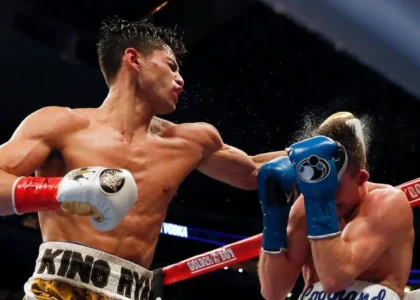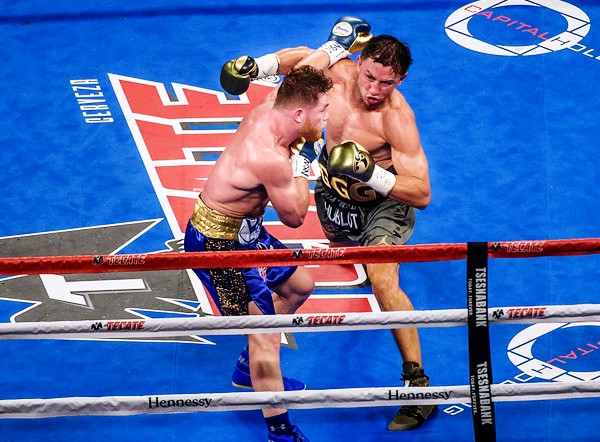
Great boxing isn’t only about throwing punches. Before you can attack effectively or defend yourself, you need to be in the right position.
That’s where footwork comes in.
Good footwork allows a boxer to control distance, create angles, maintain balance, avoid attacks, and stay in position to punch. While it may not look as exciting as a knockout punch, footwork is one of the skills that separates a balanced boxer from someone who simply stands and trades shots.
Why Footwork Matters
Your feet determine where your body can go.
If your feet are balanced and underneath you, you can move in any direction while remaining ready to punch or defend. If your feet become crossed or your stance gets too wide, your movement becomes slower and your balance suffers.
Good footwork helps you control the space between yourself and your opponent.
You can move forward to apply pressure, backward to create distance, or sideways to change the angle.
Start With Your Stance
Everything begins with your boxing stance.
Your feet should provide a stable base without being so wide that movement becomes difficult. You should be able to move without constantly needing to reset your position.
One important principle is to avoid crossing your feet while moving laterally. Crossing your legs can temporarily compromise your balance and leave you poorly positioned.
Stay light, controlled, and ready to react.
Moving Forward
When moving forward, your lead foot generally moves first, followed by the rear foot.
The goal is to maintain your stance rather than bringing your feet together or allowing them to become excessively separated.
Small steps are usually easier to control than huge movements.
Forward movement can be combined with punches such as the jab to close distance while maintaining offensive pressure.
Moving Backward
Moving backward requires the same attention to balance.
Rather than simply leaning away from an opponent, use your feet to create space. This allows you to remain prepared to punch or change direction.
A boxer who constantly retreats in a straight line can eventually run out of room, which is why lateral movement and angle changes are important.
Lateral Movement
Moving side to side allows you to escape the center line and change your position.
After throwing a combination, for example, you might step to the side rather than remaining directly in front of your opponent.
This can make you harder to hit and give you a different angle for your next attack.
Pivoting
Pivoting is another important part of boxing footwork.
A pivot allows you to rotate around your lead or rear foot while changing your angle. Instead of moving completely away from your opponent, you can move around them.
This can be particularly useful after punches or when an opponent is pressuring forward.
The key is to stay balanced throughout the rotation.
Don’t Move Your Feet Too Much
More movement doesn’t automatically mean better movement.
Constant bouncing and unnecessary steps can waste energy. Effective footwork is usually economical.
Move when you have a reason to move.
You may need to adjust your distance, escape an attack, create an angle, or get into position for a punch. Once you’re in a good position, you don’t need to keep moving simply for the sake of movement.
Common Footwork Mistakes
Crossing Your Feet
Crossing your feet can compromise your balance and make it harder to react.
Standing Too Tall
A very upright stance can make movement less controlled. Maintain a comfortable athletic position.
Taking Huge Steps
Large steps can leave you off balance and make it difficult to respond quickly.
Watching Your Feet
Your attention should remain on your opponent. Practice your movement enough that your feet become automatic.
Forgetting Your Stance
After moving, make sure you’re still in a position where you can punch, defend, and move again.
How to Practice Footwork
Shadowboxing is one of the simplest ways to improve.
Practice moving forward, backward, and sideways while maintaining your stance. Add pivots and combine your movement with basic punches.
You can also use simple floor drills to practice stepping patterns. Start slowly and focus on balance before adding speed.
Over time, your goal is for your feet to move naturally without requiring conscious thought.
Footwork Creates Opportunities
Footwork isn’t just defensive.
Moving your feet can put you in range for a punch, take you out of your opponent’s range, or create an angle that makes your offense more effective.
A boxer who controls their feet can often control the distance and pace of an exchange.
That’s why footwork should be treated as a fundamental skill rather than something added after learning how to punch.
Good hands can win exchanges, but good feet help put you in position to create them.