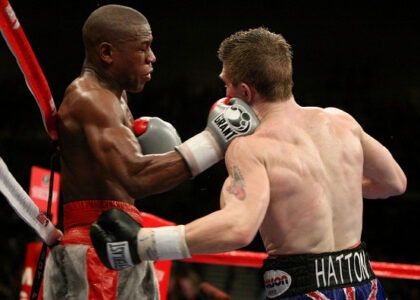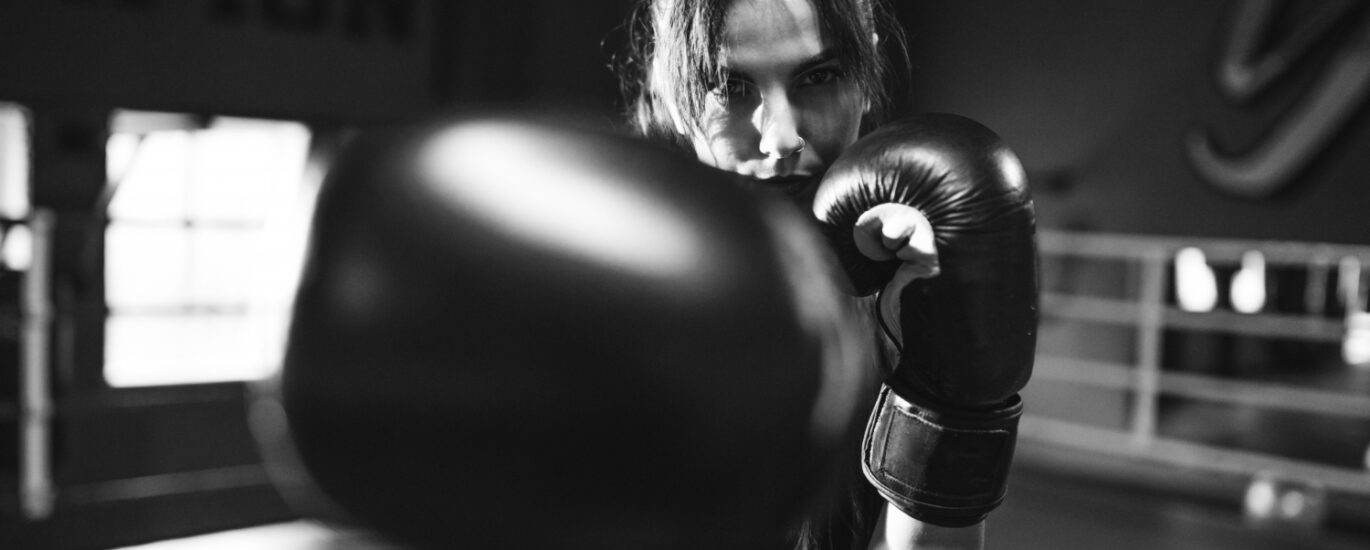
The jab may look like the simplest punch in boxing, but mastering it can transform the way you fight.
A good jab does much more than land punches. It helps control distance, disrupt an opponent’s rhythm, create openings for combinations, stop aggressive fighters from moving forward, and establish the pace of an exchange.
For an orthodox boxer, the jab is normally thrown with the left hand. For a southpaw, it is typically thrown with the right.
Whether you’re a beginner learning the fundamentals or an experienced boxer sharpening your skills, the jab should remain one of the most important tools in your arsenal.
Why the Jab Is So Important
The lead hand is closer to your opponent than your rear hand, which allows the jab to reach the target quickly without requiring a large commitment.
That makes it incredibly versatile.
You can use the jab to attack, defend, measure distance, set up power punches, interrupt combinations, or simply see how your opponent reacts.
A boxer with a strong jab can influence where and when exchanges happen.
Instead of reacting to everything the opponent does, the jab helps you make the opponent react to you.
How to Throw a Proper Jab
Start from a balanced boxing stance with your hands up, chin tucked, and knees slightly bent.
Extend your lead hand directly toward the target.
Keep the movement straight and efficient.
As the punch extends, your lead shoulder can naturally rise to provide additional protection for your chin.
Once the jab reaches the target, bring it immediately back to your guard.
Think:
Straight out → Contact → Straight back.
Don’t push the punch.
Snap it.
Don’t Telegraph Your Jab
One of the biggest mistakes beginners make is pulling the lead hand backward before throwing.
This creates a windup.
Your opponent sees the movement and knows the jab is coming.
Instead, throw directly from your normal guard.
Avoid unnecessary shoulder movement, exaggerated steps, or other signals before the punch.
The less warning you provide, the harder the jab becomes to defend.
Control Distance With the Jab
One of the jab’s most important jobs is controlling range.
If your opponent is outside your jab range, they’re probably outside the range of many of your other punches as well.
If your jab reaches them comfortably, you know you’re entering attacking distance.
This makes the jab almost like a measuring stick.
You can use it to determine where your opponent is and how much distance you need to close before attacking.
Step With the Jab
Sometimes your opponent will be slightly outside your range.
Instead of leaning forward, step with the jab.
Take a small step with your lead foot as the punch travels toward the target. Your rear foot follows so you return to your normal stance.
Avoid taking huge steps.
You want to gain distance without sacrificing balance.
The goal is:
Step → Jab → Balanced Position.
You should be ready to throw another punch immediately.
The Double Jab
A single jab is useful.
Two can be even more difficult to deal with.
Try:
Jab → Jab
The first jab may establish distance or create a reaction.
The second can land as the opponent is responding to the first.
The double jab can also help you move forward safely.
Instead of simply walking into range, you’re occupying your opponent with punches as you close the distance.
The Triple Jab
You can extend the same idea with three jabs.
Jab → Jab → Jab
The triple jab can be particularly useful against opponents who continually move backward.
Each jab helps you gain ground.
But don’t throw all three with exactly the same rhythm.
Change the timing.
For example:
Jab → slight pause → Jab-Jab
Changing rhythm makes it harder for the opponent to anticipate your attack.
Change the Speed
Not every jab needs to be thrown at maximum speed or power.
A lighter jab can create a reaction.
A harder jab can follow.
Sometimes you can touch the opponent with the first jab and snap the second.
Other times you can feint before throwing.
The goal is to avoid becoming predictable.
If every jab looks identical, an experienced opponent may eventually time it.
Jab to the Body
The head isn’t your only target.
The jab to the body can disrupt an opponent’s rhythm and force them to defend another level.
Bend slightly through the knees while maintaining your balance and direct the punch toward the torso.
Don’t bend dramatically at the waist.
And don’t stare at the target before throwing.
Mix your levels:
Jab Head → Jab Body
or:
Jab Body → Jab Head
Now your opponent must decide which target to protect.
Create Openings With the Jab
The jab doesn’t always have to land to be successful.
Sometimes its purpose is simply to move your opponent’s guard.
Suppose you throw several jabs toward the head.
Your opponent begins concentrating on blocking or parrying them.
Now you have information.
You can use that reaction to set up another punch.
For example:
Jab → Cross
or:
Jab → Cross → Left Hook
The jab begins the conversation.
Your power punches finish it.
Use the Jab as a Feint
You don’t even have to complete the jab to make it useful.
Show the beginning of the punch and watch what happens.
Does your opponent raise their hands?
Do they reach to parry?
Do they slip?
Do they step backward?
Their reaction tells you something.
If they consistently respond the same way, you may be able to use that reaction against them.
For example:
Jab Feint → Cross
or:
Jab Feint → Left Hook
Good boxing isn’t just about throwing punches.
It’s about creating reactions and exploiting them.
Use the Jab to Set Up the Cross
The classic boxing combination is:
Jab → Cross
The 1-2.
The jab can distract the opponent, establish range, and create a path for the rear hand.
As the jab returns, the cross follows.
Don’t think of them as two completely separate punches.
They should eventually flow together naturally.
Build the 1-2-3
Once the jab-cross becomes comfortable, add the lead hook:
Jab → Cross → Left Hook
Or:
1 → 2 → 3
Now you’re attacking from multiple angles.
The jab and cross travel primarily straight toward the opponent.
The hook attacks from the side.
That’s what makes combinations effective.
You’re giving the opponent different defensive problems in rapid succession.
Use the Jab Defensively
The jab isn’t only an offensive weapon.
It can also help stop pressure.
When an aggressive opponent moves forward, a sharp jab can interrupt their advance.
You can then reposition.
Try:
Jab → Step Away
or:
Jab → Pivot
Instead of simply retreating, you’re giving the opponent something to deal with while you move.
Jab While Moving Backward
A good boxer should eventually become comfortable jabbing in multiple directions.
That includes moving backward.
Against an aggressive opponent, a jab while retreating can prevent them from simply walking you down.
The important thing is maintaining your stance.
Don’t let your feet cross.
Don’t bring them together.
Stay balanced enough to punch again or change direction.
Jab and Pivot
Another useful skill is combining the jab with an angle change.
Throw the jab and then pivot away from the opponent’s line of attack.
Jab → Pivot → Reset
Now you’ve attacked and repositioned.
Your opponent must turn to face you before continuing.
As your skills improve, punching and footwork should begin working together instead of feeling like separate activities.
Keep the Rear Hand Up
Whenever your lead hand leaves your face, your opponent may see an opportunity to counter.
Keep the rear hand protecting you.
Your chin should remain tucked and your shoulder should provide additional protection as the jab extends.
Don’t sacrifice defense just because you’re attacking.
Good boxing allows offense and defense to work together.
Bring the Jab Back Home
A jab isn’t finished when it reaches the opponent.
It is finished when the hand returns to a useful position.
Snap the hand back toward your guard.
Leaving the jab extended can expose you to counters and slow down your next attack.
Think:
Out fast. Back fast.
Practice the Jab on the Heavy Bag
Don’t simply stand directly in front of the bag throwing endless jabs.
Move.
Establish range.
Step in.
Punch.
Move again.
Practice:
Single Jab
Double Jab
Triple Jab
Jab → Cross
Jab → Cross → Hook
Jab Body → Cross Head
Jab → Pivot
Imagine the bag represents an opponent rather than a stationary target.
Practice With the Mitts
Focus mitts allow a trainer to change distance and make the jab more realistic.
The trainer can move backward while you double jab forward.
They can pressure you while you jab and reposition.
They can also simulate counters after your jab.
This teaches you an important lesson:
The exchange doesn’t necessarily end because you threw your punch.
You must always be prepared for something to come back.
Win the Battle of the Jab
When two boxers meet, control of the lead hand can have a major influence on the fight.
If your jab repeatedly reaches your opponent while theirs struggles to reach you, you’re beginning to control the distance.
If your jab constantly interrupts their attacks, you’re affecting their rhythm.
If they’re reacting every time you move your lead hand, you’re influencing their decisions.
That’s when the jab becomes more than a punch.
It becomes a way to control the fight.
Master the Jab
You don’t need to throw the hardest punch in the gym to have an effective jab.
You need accuracy.
Timing.
Speed.
Balance.
Distance.
Variation.
And repetition.
Practice throwing it while moving forward, backward, and laterally. Learn to double and triple it. Attack the head and body. Use it to feint, measure distance, and create openings for your power punches.
Most importantly, learn to use the jab with a purpose.
Because when you truly master the jab, you’re not simply landing your lead hand.
You’re controlling the distance, creating the openings, and deciding where the exchange happens.