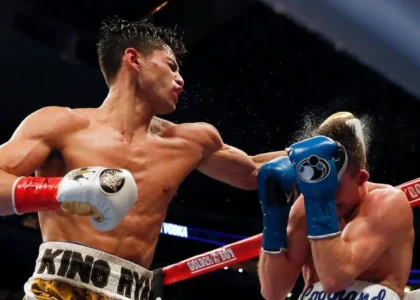
Boxing is often described as the art of hitting without getting hit. While punches and footwork receive much of the attention, head movement is one of the most important tools a boxer can develop.
A fighter who knows how to move their head can make clean punches miss, disrupt combinations, and create opportunities to counter. But effective head movement isn’t simply about moving from side to side. It’s about timing, distance, balance, and awareness.
Head Movement Starts With Timing
You can have perfect technique, but if you move at the wrong moment, it won’t help much.
The goal is to recognize when a punch is coming and move your head off the line at the right time. Moving too early can allow your opponent to adjust. Moving too late can mean the punch has already reached its target.
This is why defensive drills should eventually involve realistic reactions rather than simply repeating movements.
Stay Relaxed
Tension can make head movement slow and predictable.
A relaxed boxer can react more naturally, while excessive tension often causes unnecessary movements. Keep your shoulders, neck, and upper body relaxed while maintaining enough structure in your stance to react quickly.
Relaxation also helps conserve energy, which becomes increasingly important as a fight progresses.
Small Movements Are Often Better
One of the biggest misconceptions about head movement is that you need to make dramatic movements to avoid punches.
Usually, you don’t.
A small slip can be enough to move your head away from a jab or cross. A controlled roll can take you underneath a hook without forcing you to completely change your position.
The less you move while still avoiding the punch, the easier it is to maintain balance and immediately return to offense.
Combine Head Movement With Footwork
Head movement becomes much more effective when combined with footwork.
For example, you might slip a jab while taking a small step outside your opponent’s lead foot. Instead of simply avoiding the punch, you’ve also changed your position.
This can create new angles and make it harder for your opponent to follow up.
Think of your head and feet as working together. Your head movement protects the target, while your footwork controls the distance and position.
Head Movement Can Create Counters
Defense and offense don’t have to be separate.
A well-timed slip can put you in position to throw a counter. Rolling underneath a hook can create an opening for a body shot or hook of your own. Pulling away from a straight punch can give you space to fire back.
The important principle is to remain balanced. If your defensive movement leaves you leaning, crossing your feet, or reaching for a counter, you may simply trade one problem for another.
Don’t Move Just to Move
Another common mistake is using head movement constantly without a reason.
Excessive movement can waste energy and make your rhythm predictable. Good boxers don’t move their heads simply because they can. They use movement in response to distance, punches, feints, and positioning.
Sometimes the correct defensive action is a slip. Sometimes it’s a block. Sometimes it’s a step backward or sideways.
Good defense is about choosing the appropriate response.
Building Better Head Movement
A simple progression can help develop the skill:
-
Learn the basic movements. Practice slipping, rolling, and pulling while maintaining your stance.
-
Add a visual target. Use a mirror, slip line, or other training aid to improve accuracy.
-
Add punches. Practice moving your head after combinations during shadowboxing.
-
Add a partner. Use controlled drills where your partner throws predictable punches.
-
Increase unpredictability. Eventually, practice reacting to different punches and combinations.
Speed should come after control. If your technique falls apart when you move faster, slow down and rebuild the movement.
The Bottom Line
Great head movement isn’t about making your defense flashy. It’s about being difficult to hit while staying in position to attack.
Keep your movements economical, use your legs, maintain your balance, watch your opponent, and learn to connect defensive movement with footwork and counters.
The goal is simple: make your opponent miss by as little as possible, then be ready to make them pay for the mistake.