The jab may look simple, but it is one of the most useful punches in boxing. A fast, accurate jab can control distance, disrupt an opponent’s rhythm, create openings, and set up more powerful punches.
Unlike a punch that is thrown mainly for power, the jab is often about speed, timing, accuracy, and control.
What Is the Jab?
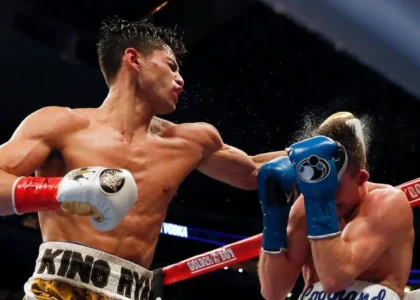
The jab is usually thrown with the lead hand. From your boxing stance, the lead hand travels straight toward the target and quickly returns to the guard.
Because it comes from the hand closest to your opponent, the jab can reach the target quickly and can be thrown repeatedly without requiring a large movement.
It can target the head, chest, or body depending on the situation.
Why Is the Jab So Important?
A good jab gives you options.
You can use it to:
-
Find your range.
-
Keep an opponent at a distance.
-
Interrupt their attacks.
-
Set up combinations.
-
Change the pace of an exchange.
-
Create openings for the rear hand.
-
Make your opponent react.
This is why the jab is often considered the foundation of a boxer’s offense.
Don’t Chase Power
One of the biggest mistakes beginners make is trying to turn every jab into a power punch.
The jab doesn’t always need to hurt your opponent. Sometimes its purpose is simply to touch the target, make them react, or occupy their attention.
Focus on getting the punch to the target quickly and returning your hand to position.
Speed and accuracy can make a jab effective without requiring a huge swing.
How to Throw a Basic Jab
Start in your normal boxing stance with your hands up.
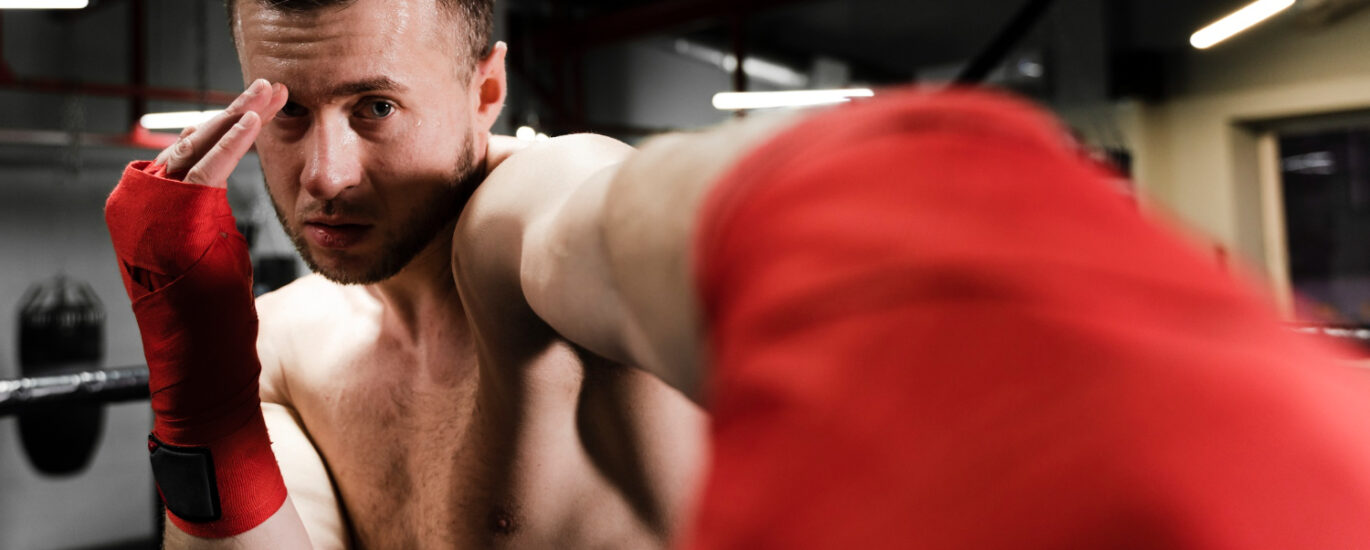
Extend your lead hand directly toward the target while keeping the movement compact. Your shoulder can rise slightly to help protect the side of your chin.
At full extension, your arm should not be forced or locked aggressively. Immediately bring the hand back to your guard.
Your rear hand should remain available for defense throughout the movement.
Footwork and the Jab
The jab becomes even more useful when combined with footwork.
You can jab while moving forward to close distance or while moving backward to maintain space. A small step can also change the range and give your jab a different purpose.
For example, stepping forward behind a jab can pressure an opponent, while stepping backward behind a jab can help you maintain distance.
The key is to remain balanced. Your feet should support the punch rather than leaving you reaching for the target.
Using the Jab to Set Up Combinations
The jab doesn’t have to be the final punch.
It can create opportunities for the rest of your offense.
A jab can draw an opponent’s attention upward before a body shot. It can occupy their guard before a rear straight. Multiple jabs can also make an opponent react predictably, creating opportunities for follow-up punches.
Think of the jab as a tool for gathering information and creating reactions.
Different Types of Jabs
There isn’t only one way to use the jab.
A fast jab can be used to interrupt an opponent or quickly touch the target.
A stiff jab is thrown with more intent and can help establish physical control of distance.
A double jab involves throwing two jabs in succession, potentially changing your range between the punches.
A body jab targets the torso and can make an opponent lower their guard.
Learning different variations makes your jab less predictable.
Common Jab Mistakes
Dropping the Hand
Don’t let the lead hand fall dramatically before throwing. This can make the punch easy to read.
Overextending
Reaching too far can put you off balance. Your feet should remain underneath you.
Forgetting the Return
A jab isn’t finished when it reaches the target. Bring it back to your guard and prepare for the next exchange.
Becoming Predictable
If you throw the same jab at the same rhythm every time, your opponent can anticipate it. Change your timing, target, and movement.
Practice Makes the Jab Automatic
Start with shadowboxing and focus on clean technique. Practice throwing single jabs, double jabs, and jabs while moving.
The heavy bag can help develop accuracy and consistency. Partner drills can eventually introduce timing and reactions against a moving target.
Don’t worry about throwing the jab as hard as possible. Make it sharp, controlled, and repeatable.
The Foundation of Boxing
The jab may not always be the most dramatic punch, but its versatility makes it one of the most important.
A boxer with a reliable jab can control distance, disrupt an opponent’s rhythm, create openings, and build combinations around it.
Master the jab, and you give yourself a tool that can influence almost every part of a boxing match.
A great jab isn’t just a punch—it is a way of controlling the fight.