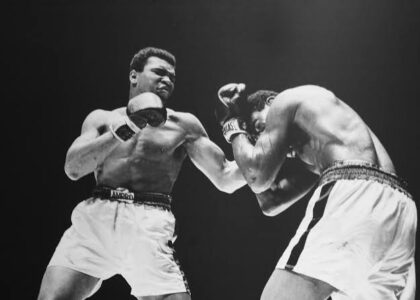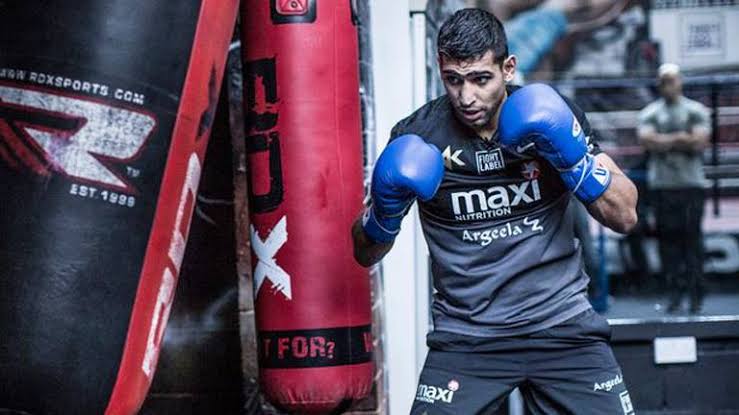
The heavy bag is one of the most valuable training tools in boxing. Whether you’re a beginner learning how to throw your first punches or an experienced fighter preparing for competition, heavy bag training can help develop punching technique, power, speed, endurance, and coordination.
Unlike shadowboxing, heavy bag training gives you a physical target to work against. It allows you to practice combinations, develop punching rhythm, improve accuracy, and work on maintaining your technique under fatigue.
Some of boxing’s greatest fighters, including Mike Tyson, Muhammad Ali, Floyd Mayweather Jr., and Sugar Ray Leonard, have incorporated heavy bag work into their training.
However, hitting the bag as hard as possible isn’t the goal. Effective heavy bag training requires discipline, proper technique, movement, and a clear training objective.
What Is Heavy Bag Training?
Heavy bag training involves punching a suspended or freestanding boxing bag to develop different aspects of your boxing performance.
It is commonly used by amateur boxers, professional fighters, fitness enthusiasts, and beginners.
A heavy bag allows you to practice:
-
- Jabs, crosses, hooks, and uppercuts.
-
- Punching combinations.
-
- Power and speed development.
-
- Footwork and positioning.
-
- Defensive movement.
-
- Cardiovascular conditioning.
-
- Punching accuracy and coordination.
Why Heavy Bag Training Is Important
1. Develops Punching Technique
The heavy bag provides resistance and feedback, helping you practice proper punching mechanics and maintain your balance.
2. Improves Punching Power
Consistent training can help develop the coordination and physical strength needed for effective punching.
3. Builds Endurance
Working continuously for multiple rounds challenges your cardiovascular fitness and muscular endurance.
4. Improves Combination Punching
The heavy bag allows you to practice combinations repeatedly until your movements become more familiar and coordinated.
5. Develops Rhythm and Timing
You can practice controlling your punching pace, maintaining movement, and transitioning between different punches.
6. Builds Mental Discipline
Completing multiple rounds requires concentration, patience, and consistency.
10 Heavy Bag Drills Every Boxer Should Practice
1. Basic Jab Drill
The jab is one of the most important punches in boxing. This drill focuses on developing consistency, accuracy, and proper punching mechanics.
Training focus:
-
- Maintain your boxing stance.
-
- Practice controlled lead-hand punches.
-
- Keep your opposite hand in a defensive position.
-
- Return to your guard after each punch.
Suggested duration: 2 minutes.
2. Jab-Cross Combination Drill
The jab-cross combination is one of the fundamental combinations every boxer should learn.
This drill helps develop coordination between the lead and rear hands.
Training focus:
-
- Practice smooth transitions between punches.
-
- Maintain balance.
-
- Keep your hands returning to their defensive positions.
-
- Focus on accuracy rather than maximum power.
Suggested duration: 2 minutes.
3. Hook and Uppercut Drill
This drill focuses on developing familiarity with hooks and uppercuts.
Practice both lead-hand and rear-hand variations while maintaining proper positioning.
Training focus:
-
- Punching mechanics.
-
- Coordination.
-
- Balance.
-
- Controlled combinations.
Suggested duration: 2 minutes.
4. Body Shot Drill
Body punching is an important part of a complete boxing offense.
Use this drill to practice controlled punches directed toward the lower section of the bag.
Training focus:
-
- Proper punching technique.
-
- Maintaining defensive awareness.
-
- Controlled movement.
-
- Returning to your stance.
Suggested duration: 2 minutes.
5. Speed Punching Drill
This drill focuses on developing hand speed and coordination.
Practice short bursts of controlled punching followed by brief periods of relaxed movement.
Training focus:
-
- Hand speed.
-
- Relaxation.
-
- Punch recovery.
-
- Consistent technique.
Suggested duration: 2 minutes.
6. Power Punching Drill
Power development is an important part of boxing, but generating force should never come at the expense of proper technique.
Use this round to focus on controlled, technically sound punches rather than trying to hit the bag as hard as possible.
Training focus:
-
- Proper mechanics.
-
- Balance.
-
- Controlled force.
-
- Wrist alignment.
Suggested duration: 2 minutes.
7. Footwork and Movement Drill
One common beginner mistake is standing directly in front of the heavy bag and throwing punches without moving.
This drill encourages you to incorporate footwork into your bag training.
Practice moving around the bag while maintaining your stance and defensive positioning.
Training focus:
-
- Forward and backward movement.
-
- Lateral movement.
-
- Balance.
-
- Distance awareness.
Suggested duration: 3 minutes.
8. Defensive Movement Drill
Boxing isn’t just about throwing punches. Defense is equally important.
Use this round to practice controlled slipping, rolling, and returning to your defensive position between punching combinations.
Imagine that the bag represents an opponent who can throw punches back.
Training focus:
-
- Head movement.
-
- Defensive positioning.
-
- Balance.
-
- Coordination.
Suggested duration: 2 minutes.
9. Combination and Conditioning Drill
This drill combines punching technique with cardiovascular conditioning.
Practice familiar combinations at a sustainable pace while maintaining your stance, breathing, and defensive awareness.
As your conditioning improves, gradually increase the pace.
Training focus:
-
- Cardiovascular endurance.
-
- Combination punching.
-
- Consistency.
-
- Maintaining technique under fatigue.
Suggested duration: 3 minutes.
10. Freestyle Heavy Bag Drill
The freestyle round allows you to combine everything you have practiced.
Move around the bag, use different punches, incorporate defensive movements, and maintain your boxing stance.
Rather than throwing random punches, imagine an opponent and give every movement a purpose.
Training focus:
-
- Creativity.
-
- Punching combinations.
-
- Footwork.
-
- Defensive awareness.
-
- Overall boxing technique.
Suggested duration: 3 minutes.
A 30-Minute Heavy Bag Workout
| Round | Training focus | Duration |
|---|---|---|
| 1 | Basic jab | 3 min |
| 2 | Jab and cross | 3 min |
| 3 | Hooks and uppercuts | 3 min |
| 4 | Body punches | 3 min |
| 5 | Speed punching | 3 min |
| 6 | Controlled power | 3 min |
| 7 | Footwork and movement | 3 min |
| 8 | Defensive movement | 3 min |
| 9 | Combination conditioning | 3 min |
| 10 | Freestyle boxing | 3 min |
Rest for 30–60 seconds between rounds as needed. The actual session will take longer than 30 minutes once rest periods are included.
Beginners can start with fewer rounds and shorter intervals before gradually increasing their workload.
Famous Boxers and Their Heavy Bag Training
Throughout boxing history, legendary fighters have used heavy bag training to develop their skills.
Mike Tyson
Mike Tyson was known for his explosive punching combinations, aggressive movement, and powerful inside fighting.
His training emphasized coordination, conditioning, and developing an aggressive boxing style.
Muhammad Ali
Muhammad Ali was famous for his speed, movement, and ability to maintain a high pace.
His boxing style demonstrated the importance of combining punching with footwork and defensive awareness.
Floyd Mayweather Jr.
Mayweather’s boxing approach emphasized precision, timing, and technical efficiency.
His training highlights the importance of accuracy and control rather than relying entirely on punching power.
Sugar Ray Leonard
Sugar Ray Leonard was known for his fast combinations, athletic movement, and adaptability.
His style demonstrates why boxers should develop speed, coordination, and the ability to transition between offense and defense.
Common Heavy Bag Training Mistakes
Although heavy bag training looks straightforward, beginners often develop habits that can affect their technique.
Here are some common mistakes to avoid:
-
- Punching too hard: Focus on proper mechanics before increasing power.
-
- Ignoring footwork: Avoid standing in one position throughout every round.
-
- Dropping your guard: Practice returning your hands to a defensive position after punching.
-
- Pushing the bag: Focus on clean punches rather than simply moving the bag.
-
- Losing balance: Maintain a stable stance throughout your combinations.
-
- Overtraining: Allow your body enough time to recover between demanding sessions.
-
- Using improper equipment: Always use suitable boxing gloves and hand wraps.
If your wrists or hands hurt, stop and have your technique and equipment checked by a qualified coach.
Tips for Getting More Out of Heavy Bag Training
To improve your results, approach every round with a specific objective.
-
- Warm up before beginning your workout.
-
- Wrap your hands properly and wear suitable boxing gloves.
-
- Start with fundamental punches before progressing to combinations.
-
- Incorporate footwork instead of remaining stationary.
-
- Practice defensive movements between combinations.
-
- Focus on breathing naturally throughout each round.
-
- Record your training occasionally to evaluate your technique.
-
- Gradually increase training intensity as your fitness improves.
Remember that quality training is more valuable than simply accumulating punches.
Final Thoughts
Heavy bag training is one of the most effective ways to develop your boxing fundamentals. It provides an opportunity to improve punching technique, coordination, speed, power, footwork, and conditioning.
However, the key to becoming a better boxer isn’t simply hitting the bag harder or faster. It’s understanding what you are practicing and making every round count.
Whether you’re studying Mike Tyson’s combinations, Muhammad Ali’s movement, Floyd Mayweather’s precision, or Sugar Ray Leonard’s speed, the heavy bag can help you develop important skills used throughout boxing.
Remember: Don’t just hit the heavy bag. Train with purpose, maintain your technique, and make every round an opportunity to improve.