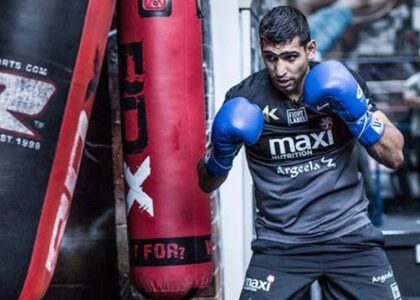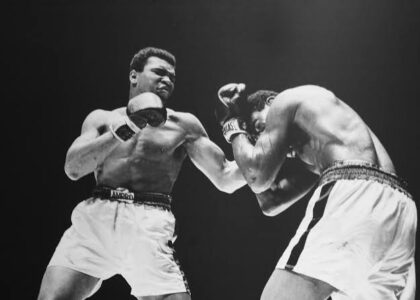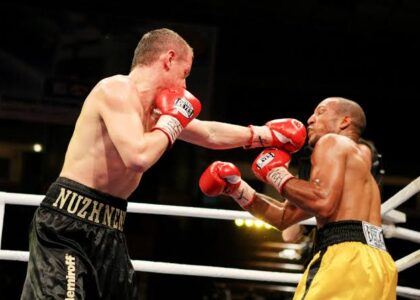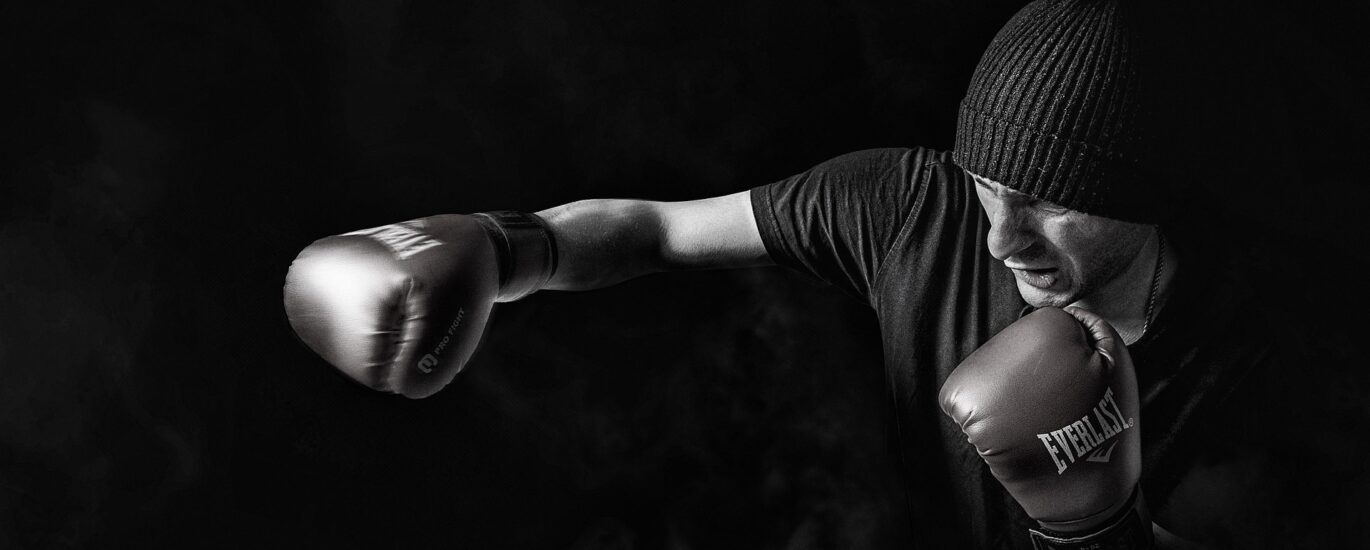
Shadowboxing is one of the most important training methods in boxing. Whether you are a beginner learning the fundamentals or an experienced fighter preparing for competition, shadowboxing helps develop technique, speed, coordination, footwork, balance, and boxing intelligence.
Unlike heavy bag training or sparring, shadowboxing allows you to focus entirely on your movements without worrying about hitting a physical target.
Some of boxing’s greatest fighters, including Muhammad Ali, Mike Tyson, Floyd Mayweather Jr., and Sugar Ray Leonard, have incorporated shadowboxing into their training routines.
Shadowboxing is more than throwing punches in the air. It is an opportunity to visualize an opponent, practice defensive movements, develop combinations, and improve your overall boxing ability.
What Is Shadowboxing?
Shadowboxing is a boxing training exercise where a fighter practices punches, defensive movements, footwork, and combinations without an actual opponent.
The boxer imagines an opponent in front of them and moves around as if they were fighting in a real boxing match.
A typical shadowboxing session may include:
- Jabs, crosses, hooks, and uppercuts.
- Slipping and rolling movements.
- Blocking and defensive positioning.
- Forward, backward, and lateral footwork.
- Offensive combinations.
- Counterpunching practice.
- Ring movement and distance management.
Shadowboxing can be performed almost anywhere with enough space to move safely.
Why Shadowboxing Is Important
Shadowboxing offers several benefits that can improve your performance inside the ring.
1. Improves Boxing Technique
It allows you to focus on proper punching mechanics, balance, stance, and defensive positioning.
2. Develops Footwork
Moving around while throwing punches helps improve coordination between your upper and lower body.
3. Builds Muscle Memory
Repeatedly practicing boxing movements helps make fundamental techniques more familiar and consistent.
4. Improves Conditioning
Shadowboxing can provide an effective cardiovascular workout when performed continuously with appropriate intensity.
5. Develops Boxing Intelligence
Visualizing an opponent encourages you to think about distance, timing, defense, and offensive opportunities.
6. Builds Confidence
Practicing combinations and defensive movements helps you become more comfortable with boxing techniques.
10 Shadowboxing Drills Every Boxer Should Practice
Here are ten drills that can help develop a well-rounded boxing skill set.
1. Basic Stance and Movement Drill
<AsyncImage query=”professional boxer shadowboxing in boxing gym orthodox stance” aspectRatio=”16:9″ width=”100%”/>
Start by focusing on your boxing stance.
Practice moving forward, backward, and side to side while maintaining your balance and defensive positioning.
Training focus:
- Maintain your stance.
- Keep your hands in a defensive position.
- Avoid crossing your feet.
- Stay relaxed while moving.
Suggested duration: 2 minutes.
2. Jab and Cross Drill
<AsyncImage query=”boxer shadowboxing throwing jab cross combination gym” aspectRatio=”16:9″ width=”100%”/>
The jab and cross are two of the most important punches in boxing.
Spend an entire round practicing these punches while maintaining proper balance and returning to your defensive position.
Training focus:
- Straight punches.
- Hand speed.
- Balance.
- Punch recovery.
Suggested duration: 2 minutes.
3. Combination Punching Drill
<AsyncImage query=”boxing athlete shadowboxing combinations training” aspectRatio=”16:9″ width=”100%”/>
This drill focuses on putting different punches together.
Practice combinations involving:
- Jab – Cross.
- Jab – Cross – Hook.
- Double Jab – Cross.
- Jab – Cross – Uppercut.
- Hook – Cross.
Focus on smooth transitions rather than throwing punches as quickly as possible.
Suggested duration: 3 minutes.
4. Slipping Drill
<AsyncImage query=”boxer practicing defensive slipping movement shadowboxing” aspectRatio=”16:9″ width=”100%”/>
Slipping is an important defensive skill that helps boxers avoid straight punches.
Imagine an opponent throwing punches toward your head and practice controlled movements off the centerline.
Training focus:
- Controlled head movement.
- Maintaining balance.
- Keeping your eyes forward.
- Returning to a defensive position.
Suggested duration: 2 minutes.
5. Blocking and Defensive Movement Drill
<AsyncImage query=”boxing athlete practicing high guard defensive shadowboxing” aspectRatio=”16:9″ width=”100%”/>
This drill focuses on protecting yourself while remaining ready to move.
Practice maintaining your high guard, adjusting your positioning, and combining defensive movements with footwork.
Training focus:
- High guard.
- Defensive awareness.
- Balance.
- Controlled movement.
Suggested duration: 2 minutes.