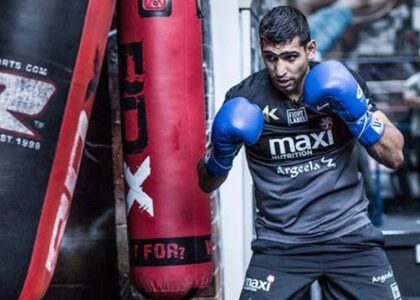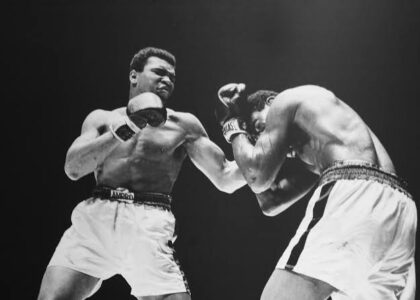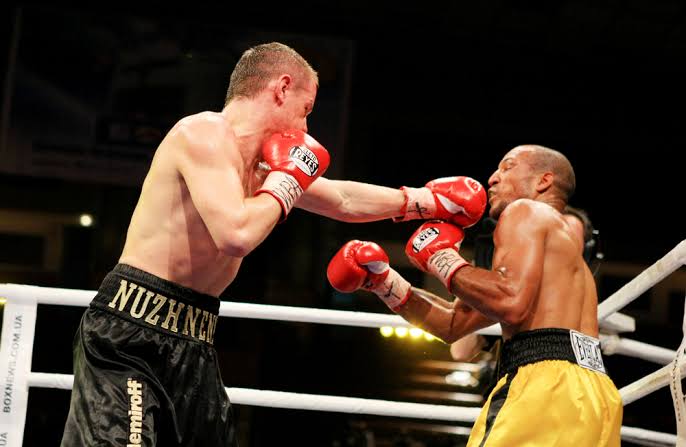
In boxing, every great fighter needs a strong foundation, and that foundation begins with the jab. Often considered the most important punch in boxing, the jab is a fundamental weapon that can control distance, set up combinations, disrupt an opponent’s rhythm, and create opportunities for offense.
While the jab may not always receive the same attention as powerful hooks and uppercuts, experienced boxers understand its true value.
Some of boxing’s greatest fighters, including Muhammad Ali, Sugar Ray Leonard, Floyd Mayweather Jr., Larry Holmes, and Thomas Hearns, used their jabs to control fights and establish their dominance.
A great jab can change the entire flow of a boxing match.
What Is a Jab in Boxing?
The jab is a straight punch thrown with the lead hand. For an orthodox boxer, this is the left hand. For a southpaw boxer, it is the right hand.
It is generally the fastest and most frequently used punch in boxing because it travels a relatively short distance and allows a fighter to remain balanced.
The jab serves several purposes:
- Establishing distance.
- Keeping an opponent occupied.
- Setting up power punches.
- Controlling the pace of a fight.
- Creating openings in an opponent’s defense.
- Interrupting an opponent’s offensive rhythm.
The jab is not simply a punch used to score points. It is a tool that helps a boxer control the action.
Why the Jab Is So Important
1. Controls Distance
One of the biggest advantages of a good jab is the ability to manage distance.
A boxer can use the jab to maintain space between themselves and an opponent while making it more difficult for the opponent to establish their preferred range.
2. Sets Up Combinations
The jab is often the beginning of a combination.
Boxers use it to establish their offense before following with crosses, hooks, and other punches.
3. Disrupts Opponents
A consistent jab can interrupt an opponent’s rhythm and make it harder for them to attack comfortably.
4. Helps Develop Timing
Practicing the jab teaches boxers to recognize distance, timing, and movement.
5. Creates Opportunities to Score
A well-placed jab can score points throughout a fight, making it an important weapon in amateur and professional boxing.
Different Types of Jabs in Boxing
There are several variations of the jab, each serving a different purpose.
1. The Basic Jab
<AsyncImage query=”professional boxer orthodox stance throwing straight left jab boxing training” aspectRatio=”16:9″ width=”100%”/>
The basic jab is the foundation of offensive boxing.
It is a straight punch delivered with the lead hand while maintaining a balanced stance and keeping the opposite hand in a defensive position.
Every beginner should spend time developing a consistent, technically sound jab.
2. The Power Jab
The power jab is a firmer, more committed version of the traditional jab.
It is used to make a stronger impact while still maintaining the advantages of a lead-hand punch.
3. The Double Jab
<AsyncImage query=”boxer throwing double jab boxing training sequence” aspectRatio=”16:9″ width=”100%”/>
The double jab involves throwing two jabs in succession.
It is useful for developing rhythm, controlling distance, and creating opportunities for additional punches.
4. The Stepping Jab
The stepping jab incorporates forward movement.
It allows a boxer to maintain their offensive position while moving into range.
5. The Body Jab
<AsyncImage query=”boxing trainer demonstrating jab to body on heavy bag” aspectRatio=”16:9″ width=”100%”/>
The body jab is directed toward an opponent’s torso rather than the head.
It adds variety to a boxer’s offense and can help disrupt an opponent’s defensive rhythm.
6. The Flicker Jab
The flicker jab is associated with fighters such as Thomas Hearns and Muhammad Ali.
It is a quick, relaxed-looking lead-hand punch that can be used to disrupt an opponent’s concentration, establish distance, and create offensive opportunities.
Famous Boxers Known for Their Jabs
Some of boxing’s greatest champions built their fighting styles around an effective jab.
Muhammad Ali
<AsyncImage query=”Muhammad Ali boxing famous left jab in ring” aspectRatio=”16:9″ width=”100%”/>
Muhammad Ali was famous for his incredible hand speed and ability to control opponents with his lead hand.
His jab helped him establish distance, interrupt attacks, and create openings for combinations.
Sugar Ray Leonard
<AsyncImage query=”Sugar Ray Leonard boxing throwing jab fight” aspectRatio=”16:9″ width=”100%”/>
Sugar Ray Leonard combined speed, movement, and precision.
His jab helped him control distance and transition smoothly into fast combinations.
Floyd Mayweather Jr.
<AsyncImage query=”Floyd Mayweather boxing jab fight defensive stance” aspectRatio=”16:9″ width=”100%”/>
Mayweather used his jab as an important part of his defensive and offensive strategy.
He demonstrated how a well-timed jab could disrupt an opponent’s rhythm while helping maintain control of a fight.
Larry Holmes
<AsyncImage query=”Larry Holmes boxing extended left jab heavyweight” aspectRatio=”16:9″ width=”100%”/>
Larry Holmes is widely remembered for possessing one of heavyweight boxing’s most recognizable jabs.
His lead hand was a major part of his success, helping him control distance and dictate the pace of fights.
Thomas Hearns
<AsyncImage query=”Thomas Hearns boxing long jab fight” aspectRatio=”16:9″ width=”100%”/>
Thomas Hearns had exceptional reach and a powerful lead hand.
His jab helped him take advantage of his physical dimensions and establish control against opponents.
Common Mistakes Beginners Make When Throwing a Jab
Although the jab is one of boxing’s simplest punches, developing a good one takes practice.
Here are some common mistakes beginners should avoid:
- Dropping the opposite hand: Keep your defensive hand in position while throwing the jab.
- Overreaching: Avoid sacrificing balance to reach an opponent.
- Telegraphing the punch: Unnecessary preparation movements can make your jab easier to anticipate.
- Poor balance: Maintain a stable boxing stance throughout the movement.
- Neglecting recovery: Return to your defensive position after throwing the punch.
- Ignoring footwork: The jab should work together with your movement rather than becoming an isolated action.
How to Improve Your Jab
Developing a strong jab requires consistent practice and attention to technique.
Here are some useful training methods:
1. Shadowboxing
Practice throwing jabs while maintaining your stance, balance, and defensive positioning.
2. Heavy Bag Training
Work on accuracy, consistency, and controlled punching mechanics.
3. Double-End Bag
This equipment helps develop timing, coordination, and accuracy.
4. Focus Mitt Training
Work with a qualified boxing coach to improve your jab’s timing, speed, and placement.
5. Footwork Drills
Practice coordinating your jab with controlled movement in different directions.
6. Repetition
Spend time practicing the jab on its own. Developing a reliable lead hand takes patience and consistency.
Jab vs. Cross: What’s the Difference?
The jab and cross are both straight punches, but they serve different purposes.
| Jab | Cross |
|---|---|
| Thrown with the lead hand | Thrown with the rear hand |
| Usually faster to deliver | Usually carries more power |
| Helps control distance | Often used as a power punch |
| Commonly starts combinations | Commonly follows the jab |
| Helps manage an opponent’s rhythm | Can capitalize on openings |
Both punches are essential parts of a complete boxing skill set.
Boxing Combinations That Use the Jab
Once you become comfortable with the basic jab, you can begin incorporating it into combinations under the guidance of a coach.
Some common examples include:
- Jab – Cross
- Double Jab – Cross
- Jab – Cross – Left Hook
- Jab – Left Hook
- Jab – Cross – Hook – Cross
These combinations help develop coordination, rhythm, and the ability to transition between different punches.
Final Thoughts
The jab is one of the most valuable weapons in boxing. It may not always be the hardest punch, but its importance cannot be underestimated.
A great jab can control distance, disrupt an opponent’s rhythm, create opportunities, and dictate the pace of a fight.
From Muhammad Ali’s speed to Larry Holmes’ famous lead hand, boxing history has shown how much success can be built around mastering this one fundamental punch.
For beginners, the lesson is simple: don’t overlook the basics.
Master your jab, develop your timing, and build your boxing style around strong fundamentals.
Remember, a powerful right hand or left hook may finish a fight, but a great jab can help you control it from beginning to end.