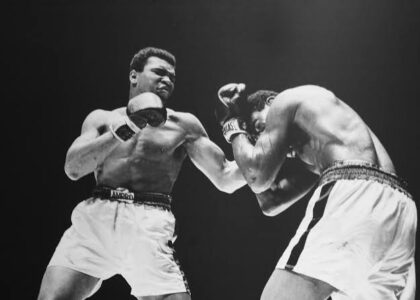
In boxing, knowing how to throw a punch is important, but knowing how to defend against one is just as essential. Every boxer, whether a beginner or a professional, must understand the importance of blocking punches.
Blocking is one of the fundamental defensive techniques in boxing. It allows fighters to protect themselves from incoming attacks using their gloves, arms, elbows, and defensive positioning.
Great boxers understand that defense is not simply about surviving an opponent’s attack. It is about staying composed, protecting yourself, maintaining balance, and being prepared to respond.
What Is Blocking in Boxing?
Blocking is a defensive technique used to stop or absorb an opponent’s punch before it reaches its intended target.
Unlike slipping, where a boxer moves their head away from an incoming punch, blocking involves using the body’s defensive structure to protect vulnerable areas.
A boxer uses their gloves and arms to shield the head and body while maintaining a stable stance.
Effective blocking requires proper positioning, awareness, timing, and discipline.
Why Blocking Is Important
Blocking is one of the first defensive skills every boxer should develop.
Here are some important benefits:
1. Protects Against Incoming Punches
Blocking helps protect the head and body from clean punches. Keeping your hands in the correct defensive position reduces unnecessary exposure.
2. Builds Defensive Confidence
When boxers understand how to defend themselves, they become more comfortable dealing with incoming attacks.
3. Helps Maintain Your Position
Unlike defensive movements that require stepping away, blocking can allow you to maintain your position while defending.
4. Creates Opportunities to Counter
After defending an attack, a boxer may have an opportunity to respond. Good defense can create openings for offense.
5. Improves Ring Awareness
Learning to block teaches fighters to recognize incoming punches and understand how different attacks affect their defensive positioning.
Different Types of Blocks in Boxing
There are several defensive blocking techniques used in boxing.
1. High Guard
<image-placeholder></image-placeholder>
The high guard is one of the most recognizable defensive positions in boxing.
The boxer keeps both gloves near the face, with the elbows positioned closer to the body. This creates a protective barrier around the head while helping defend against body attacks.
It is especially useful when dealing with combinations and sustained pressure.
2. Catching a Punch
Catching involves using the glove to receive or intercept an incoming straight punch.
Rather than allowing the punch to land cleanly, the boxer uses their defensive hand position to protect the target.
This technique requires timing and awareness.
3. Forearm Block
A forearm block uses the forearm to help shield the body from incoming punches.
Boxers commonly use their arms and elbows to protect the ribs and other vulnerable areas while maintaining their defensive structure.
4. Elbow Block
The elbow block involves positioning the elbow to protect the body against punches aimed toward the ribs.
Keeping the elbows appropriately positioned is an important part of maintaining a strong defensive guard.
5. Shoulder Block
The shoulder block is associated with defensive fighters such as Floyd Mayweather Jr.
Mayweather became famous for using the shoulder roll, a technique that combines shoulder positioning, upper-body movement, and glove placement to defend against punches.
His defensive style demonstrates how effective proper positioning and timing can be.
Floyd Mayweather and Defensive Blocking
Floyd Mayweather Jr. is one of boxing’s greatest examples of defensive excellence.
Although he is famous for slipping punches and using the shoulder roll, blocking and catching punches were also important parts of his defensive game.
His ability to combine multiple defensive techniques made him extremely difficult to hit cleanly.
Mayweather understood that no single defensive technique works against every opponent. He adjusted his approach depending on the fighter in front of him.
This is an important lesson for developing boxers: great defense involves knowing when to block, when to slip, when to move, and when to create distance.
Common Mistakes When Blocking Punches
Beginners often make mistakes when learning defensive blocking.
Some common mistakes include:
- Dropping the hands: Lowering your guard unnecessarily exposes your head.
- Leaving gaps: Poor glove positioning can leave openings around the face and body.
- Closing your eyes: Keeping your eyes open allows you to recognize follow-up attacks.
- Standing too stiff: Excessive tension can make it harder to move and respond.
- Relying only on blocking: Blocking every punch without using footwork or head movement can make your defense predictable.
- Ignoring body protection: Keeping your hands high while forgetting about the body can leave you vulnerable.
Remember that blocking does not mean you should absorb every punch. It is one part of a complete defensive system.
How to Improve Your Blocking Technique
Improving your blocking ability requires consistent practice and attention to fundamentals.
Here are some useful training methods:
Mirror Work: Practice maintaining your boxing guard while checking your hand and elbow positioning.
Shadowboxing: Incorporate defensive movements into your shadowboxing routine. Practice returning to your guard after every offensive combination.
Controlled Partner Drills: Work with a qualified coach or partner using light, controlled punches to develop defensive awareness.
Heavy Bag Training: Practice maintaining your guard and defensive positioning while working around the heavy bag.
Combination Defense: Practice transitioning between blocking, slipping, footwork, and counterpunching under proper supervision.
Always use appropriate protective equipment and avoid hard head-contact drills when learning defensive techniques.
Blocking vs. Slipping: What’s the Difference?
Both techniques are important, but they serve different purposes.
| Blocking | Slipping |
|---|---|
| Uses gloves and arms for protection | Uses head and upper-body movement |
| Helps shield the target | Moves the target away from the punch |
| Can help maintain position | Can create angles and openings |
| Often useful against combinations | Particularly useful against straight punches |
The best boxers understand how to combine both techniques rather than depending on just one.
Final Thoughts
Blocking a punch is one of the most important fundamentals in boxing. It provides a foundation for developing confidence, defensive awareness, balance, and overall ring intelligence.
However, great defense is about more than putting your gloves in front of your face. It requires understanding distance, recognizing attacks, maintaining composure, and knowing how to transition between different defensive techniques.
Floyd Mayweather Jr. demonstrated that defensive mastery comes from combining multiple skills and understanding the science of boxing.
Remember: A great boxer knows how to attack, but an intelligent boxer knows how to protect themselves.
Master your guard, practice your defense, and never underestimate the importance of blocking.