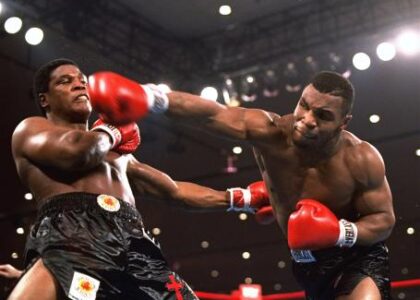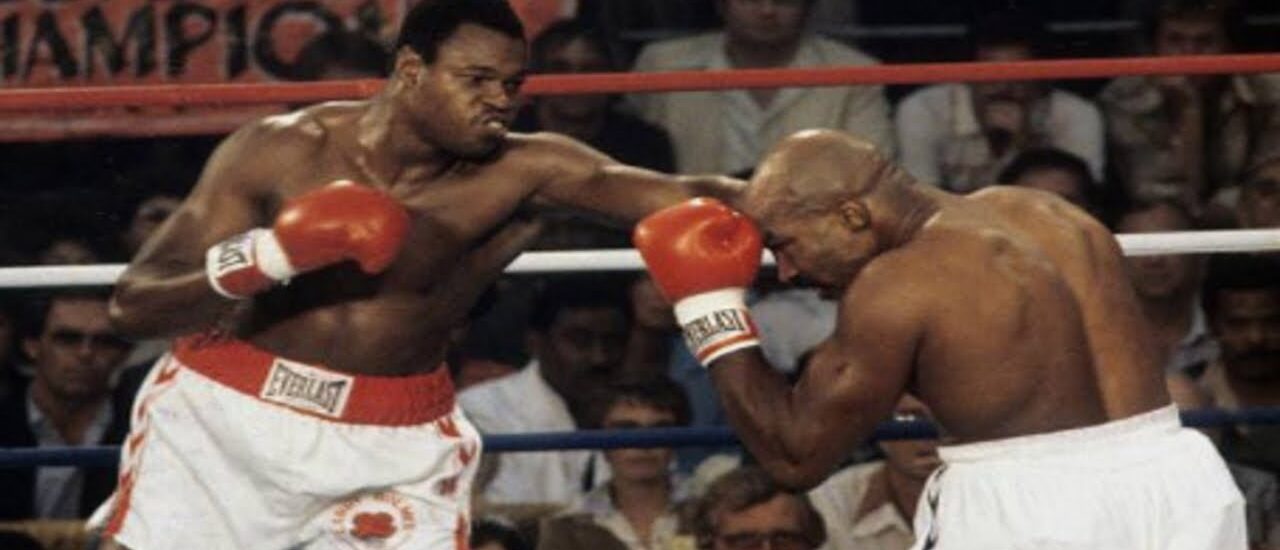
The jab may not always be the punch that produces the highlight-reel knockout, but it might be the most important punch in boxing.
A good jab does much more than score points. It can establish distance, interrupt an opponent’s attack, set up combinations, create openings, disguise power punches, and help a boxer control the pace of a fight.
For an orthodox boxer, the jab is normally thrown with the left hand. For a southpaw, it is typically thrown with the right.
Whether you’re stepping into a boxing gym for the first time or preparing for competition, developing a reliable jab should always be a priority.
What Is a Jab?
The jab is a straight punch thrown with the lead hand.
Because the lead hand begins closer to the opponent than the rear hand, the jab has a relatively short distance to travel. This allows it to be thrown quickly and with minimal commitment.
That speed makes the jab useful in almost every part of boxing.
You can use it offensively.
You can use it defensively.
You can use it while moving forward.
You can use it while moving backward.
And you can use it simply to find out how your opponent reacts.
The jab isn’t just a punch.
It’s a tool for controlling the fight.
How to Throw a Basic Jab
Begin in your normal boxing stance with your hands up, knees slightly bent, and chin tucked.
Extend the lead hand directly toward the target.
As the punch reaches the target, the shoulder can rise naturally to help protect your chin.
Then bring the hand straight back to your guard.
Think:
Straight out → Contact → Straight back.
Avoid making unnecessary movements before throwing.
The jab should be simple, direct, and difficult to see coming.
Don’t Pull the Hand Back First
One of the most common beginner mistakes is pulling the lead hand backward before throwing the jab.
This feels like it creates more power.
What it actually does is warn the opponent.
If your glove moves backward every time you’re about to jab, an experienced boxer will quickly recognize the pattern.
Throw directly from your guard.
No windup.
No unnecessary movement.
The opponent should see the jab when it’s already on the way.
Bring the Jab Back Quickly
A fast jab isn’t only fast going toward the opponent.
It should also return quickly.
Leaving the lead hand extended creates an opening in your defense.
Think about snapping the jab back toward your face after it reaches the target.
Out fast. Back fast.
This also allows you to throw another jab or immediately follow with another punch.
Keep Your Rear Hand Up
When the lead hand leaves your face, the rear hand should remain in defensive position.
Don’t allow your right hand to drop while throwing a left jab.
Your opponent may try to counter over your jab.
Keeping the rear hand near your face provides protection while you’re attacking.
This is an important habit to develop early.
Don’t Overreach
Your jab should extend toward the target without pulling your body beyond your base.
If the opponent is too far away, use your feet to close the distance.
Don’t lean dramatically forward trying to reach them.
Overreaching can leave you off balance and vulnerable to counters.
Move into range.
Then punch.
Step With the Jab
One of the most useful variations is the stepping jab.
As you throw the jab, take a small step forward with your lead foot.
The rear foot follows to restore your stance.
The movement allows you to close distance while punching.
But don’t take an enormous step.
Small, controlled movements allow you to remain balanced and ready for whatever comes next.
Think:
Step → Jab → Reset.
As your coordination improves, the step and punch should happen almost simultaneously.
The Double Jab
You don’t have to throw the jab only once.
Try:
Jab → Jab
The double jab can help you close distance, disrupt an opponent’s rhythm, or create an opening for your rear hand.
The two jabs don’t necessarily need to be identical.
The first might be light and fast.
The second may be more committed.
Changing speed and rhythm makes the jab more difficult to anticipate.
The Triple Jab
Once you develop the double jab, try throwing three.
Jab → Jab → Jab
The triple jab can be particularly useful when moving forward.
Each jab can help you gain ground while keeping the opponent occupied.
But don’t fall into a predictable rhythm.
Change the timing.
For example:
Quick jab → Pause → Double jab
The opponent shouldn’t know exactly when the next one is coming.
Jab to the Body
The head isn’t the only target.
A jab to the body can disrupt an opponent’s rhythm and force them to defend another level.
Slightly bend your knees and direct the jab toward the torso.
Don’t dramatically bend at the waist.
And don’t stare at the body before throwing.
Your eyes can give away your intentions.
Mix the body jab with the head jab:
Jab Head → Jab Body
or:
Jab Body → Jab Head
Now the opponent has to defend both levels.
Use the Jab to Measure Distance
The jab can help determine whether you’re within punching range.
If your jab barely reaches the opponent, you have information about the distance between you.
That information can help determine whether your cross, hook, or combination is available.
This is one reason experienced fighters use the jab even when they aren’t trying to land it with maximum force.
Sometimes the jab is collecting information.
Use the Jab to Set Up the Cross
Perhaps the most fundamental combination in boxing is:
Jab → Cross
The classic 1-2.
The jab occupies the opponent’s attention and can help create a path for the rear hand.
Don’t think of the punches as unrelated movements.
The jab begins the attack.
As it returns, the cross follows.
Eventually, the combination should feel like one fluid sequence.
Jab-Cross-Hook
Add the lead hook and you have another fundamental combination:
Jab → Cross → Left Hook
Or:
1 → 2 → 3
Now you’re attacking from two different directions.
The jab and cross travel primarily straight.
The hook comes around the side.
This forces the opponent to defend multiple angles.
Use the Jab as a Feint
You don’t always have to complete the punch.
Sometimes showing the beginning of a jab is enough to create a reaction.
If the opponent expects your jab, a small lead-hand movement may cause them to:
Raise their guard.
Reach to parry.
Move their head.
Step backward.
Once you understand their reaction, you can attack the opening they create.
For example:
Jab Feint → Cross
or:
Jab Feint → Left Hook
Feints turn the jab into a tool for manipulating your opponent.
Use the Jab Defensively
The jab isn’t only an offensive punch.
It can also interrupt an opponent who is trying to move forward.
If someone aggressively closes distance, a sharp jab can force them to reset before continuing their attack.
The jab can also give you time to move.
Try:
Jab → Step Away
or:
Jab → Pivot
You’re not necessarily trying to hurt the opponent.
You’re using the punch to create space.
Jab While Moving Backward
A boxer doesn’t always need to stop punching while retreating.
With proper balance, the jab can be used while moving backward.
This can make it more difficult for an aggressive opponent to simply chase you across the ring.
Instead of giving them free distance, you’re making them work their way through your lead hand.
The key is maintaining your stance.
Don’t allow your feet to come together or cross as you move.
Jab and Pivot
Another useful combination is:
Jab → Pivot
Throw the jab and then change your angle.
Now your opponent has to turn before continuing their attack.
As your footwork develops, you can also practice punching during the angle change.
This is where the jab becomes connected to ring movement rather than simply being a stationary punch.
Change the Speed of Your Jab
Not every jab should be thrown at the same speed.
If every jab has exactly the same rhythm, your opponent can begin timing you.
Mix it up.
Throw a light jab.
Then a quick jab.
Pause.
Double jab.
Feint.
Jab again.
The goal is to make the opponent uncertain about when the next punch will arrive.
Broken rhythm creates openings.
Don’t Try to Knock Everyone Out With the Jab
A jab can certainly be thrown with authority, but power isn’t always its primary purpose.
Sometimes you’re using it to:
Establish range.
Block the opponent’s vision.
Interrupt their attack.
Create a reaction.
Set up the right hand.
Move them backward.
Prepare another combination.
Think strategically.
Every punch doesn’t need to be thrown at maximum power.
Practice the Jab on the Heavy Bag
The heavy bag is an excellent place to develop your jab.
Don’t simply stand still and throw hundreds of punches.
Move around the bag.
Establish distance.
Step in.
Jab.
Move away.
Try:
Single Jab
Double Jab
Triple Jab
Jab → Cross
Jab → Cross → Hook
Jab Body → Cross Head
Jab → Pivot
Imagine the bag is an opponent rather than a stationary target.
Practice the Jab With the Mitts
Focus mitts allow a trainer to change distance and force you to adjust.
A trainer can move backward while you double jab forward.
They can pressure you while you jab and move.
They can also simulate counters so you learn to defend after punching.
Eventually, the goal is to stop thinking:
“Now I throw a jab.”
Instead, you recognize the moment when the jab is useful and throw it naturally.
Don’t Become Predictable
Even a great jab can be countered if the opponent knows exactly when it’s coming.
Change your rhythm.
Change your target.
Change your speed.
Sometimes jab while moving forward.
Sometimes jab while moving backward.
Sometimes double it.
Sometimes feint it.
Sometimes don’t throw it at all.
Keep the opponent guessing.
Build Everything Behind the Jab
The jab is often the foundation that allows everything else to work.
It establishes your range.
It starts combinations.
It sets up power punches.
It disrupts pressure.
It creates openings.
It helps you control distance.
Most importantly, it gives your opponent something they constantly have to think about.
Develop the jab until you can throw it naturally while moving, defending, changing levels, and setting up combinations.
Because in boxing, the most dangerous punch isn’t always the biggest one.
Sometimes it’s the simple jab that makes every other punch possible.