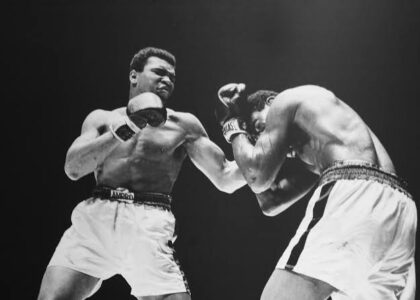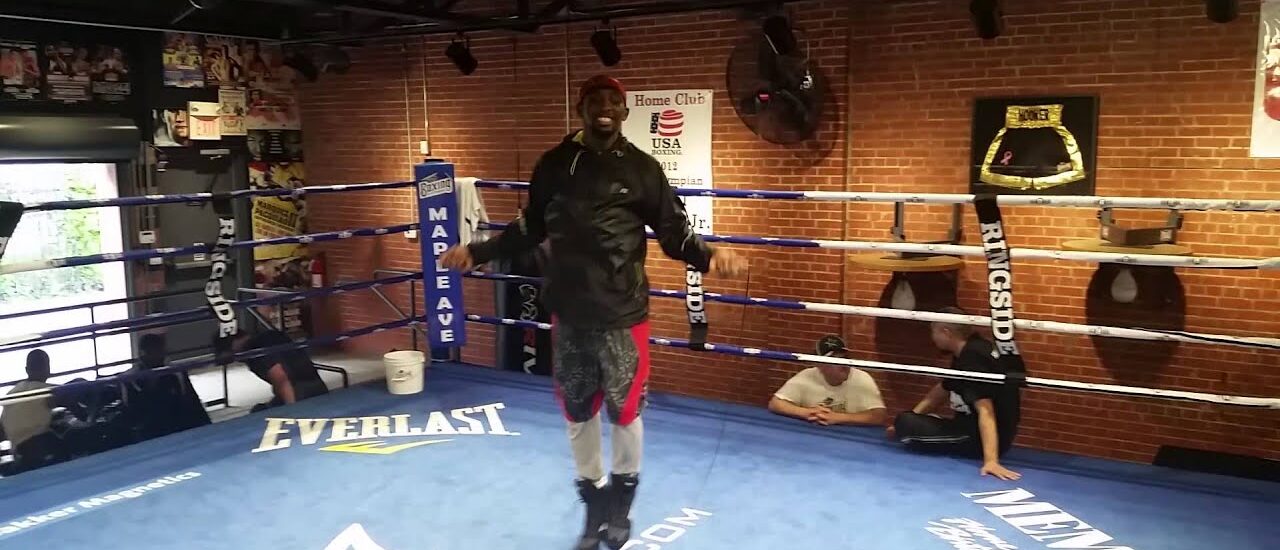
In boxing, great footwork can be just as important as great punching ability. A fighter needs to move efficiently, maintain balance, control distance, and stay light on their feet throughout a fight.
One of the best exercises for developing these qualities is jump rope training.
Jumping rope has been a fundamental part of boxing conditioning for generations. From Muhammad Ali to Mike Tyson, legendary fighters have used jump rope exercises to develop rhythm, coordination, endurance, and footwork.
Although it may look like a simple exercise, jump rope training can significantly improve a boxer’s overall athletic ability.
Whether you’re a beginner or an experienced fighter, incorporating jump rope drills into your routine can help take your boxing performance to another level.
What Is Jump Rope Training in Boxing?
Jump rope training involves using a skipping rope to develop cardiovascular fitness, coordination, agility, and lower-body conditioning.
For boxers, it is more than just a warm-up exercise. It helps develop the rhythm and movement patterns needed inside the ring.
Jump rope training can improve:
- Footwork and agility.
- Cardiovascular endurance.
- Hand-eye coordination.
- Balance and body control.
- Lower-body conditioning.
- Rhythm and timing.
- Overall athletic performance.
Why Jump Rope Training Is Important
1. Improves Footwork
Jumping rope encourages light, controlled movements and helps boxers become more comfortable staying on their feet.
2. Builds Cardiovascular Endurance
Consistent jump rope training challenges your cardiovascular system and helps develop stamina.
3. Develops Coordination
Your hands and feet must work together to maintain a consistent rhythm.
4. Improves Agility
Different skipping patterns help develop quicker and more coordinated foot movements.
5. Builds Mental Discipline
Maintaining a steady rhythm requires concentration, patience, and consistency.
10 Jump Rope Drills Every Boxer Should Practice
1. Basic Bounce
The basic bounce is the foundation of jump rope training.
Keep your movements controlled and maintain a comfortable rhythm while jumping over the rope.
Training focus:
- Rhythm.
- Coordination.
- Balance.
- Cardiovascular conditioning.
Suggested duration: 2 minutes.
2. Alternate Foot Step
This drill involves alternating your feet as you jump over the rope.
Rather than landing on both feet simultaneously, practice a running-style skipping motion.
Training focus:
- Foot coordination.
- Agility.
- Rhythm.
- Endurance.
Suggested duration: 2 minutes.
3. Boxer Step
The boxer step is one of the most recognizable jump rope techniques used in boxing.
It involves shifting your weight from one foot to the other while maintaining a relaxed rhythm.
This movement helps boxers develop the light, balanced footwork associated with boxing.
Training focus:
- Weight distribution.
- Footwork.
- Balance.
- Relaxation.
Suggested duration: 2 minutes.
4. High-Knee Jump Rope
This drill involves lifting your knees higher while maintaining the skipping rhythm.
It adds a conditioning challenge and helps develop lower-body coordination.
Training focus:
- Cardiovascular endurance.
- Leg conditioning.
- Coordination.
- Rhythm.
Suggested duration: 1 minute.
5. Side-to-Side Jump
Practice jumping slightly from side to side while maintaining control of the rope.
This introduces lateral movement into your jump rope routine.
Training focus:
- Lateral agility.
- Balance.
- Coordination.
- Lower-body control.
Suggested duration: 1 minute.
6. Forward and Backward Jump
This drill involves making small controlled jumps forward and backward.
It helps develop awareness of movement in different directions.
Training focus:
- Directional movement.
- Footwork.
- Balance.
- Coordination.
Suggested duration: 2 minutes.
7. Single-Leg Jump
Practice skipping on one foot before switching to the other.
Start with short intervals and maintain good balance.
Training focus:
- Single-leg coordination.
- Balance.
- Lower-body endurance.
- Stability.
Suggested duration: 1 minute per leg.
8. Double Unders
Double unders involve rotating the rope twice during a single jump.
This is a more advanced exercise that requires speed, timing, and coordination.
Beginners should master the basic bounce before attempting this drill.
Training focus:
- Explosiveness.
- Coordination.
- Timing.
- Conditioning.
Suggested duration: 30 seconds.
9. Jump Rope and Shadowboxing
This drill combines jump rope conditioning with boxing movements.
Alternate between short periods of skipping and shadowboxing.
For example:
- Jump rope for 60 seconds.
- Shadowbox for 60 seconds.
- Repeat for several rounds.
Training focus:
- Boxing-specific conditioning.
- Coordination.
- Footwork.
- Endurance.
10. Freestyle Jump Rope
The freestyle round allows you to combine different skipping techniques.
Move between the boxer step, alternate foot step, side-to-side movement, and basic bounce.
Focus on maintaining a consistent rhythm rather than trying to perform every variation quickly.
Training focus:
- Overall coordination.
- Agility.
- Rhythm.
- Conditioning.
Suggested duration: 3 minutes.
A 20-Minute Jump Rope Workout for Boxers
| Round | Training focus | Duration |
|---|---|---|
| 1 | Basic bounce | 2 min |
| 2 | Alternate foot step | 2 min |
| 3 | Boxer step | 2 min |
| 4 | High knees | 1 min |
| 5 | Side-to-side jumps | 1 min |
| 6 | Forward and backward | 2 min |
| 7 | Single-leg jumps | 2 min |
| 8 | Double unders | 1 min |
| 9 | Jump rope and shadowboxing | 3 min |
| 10 | Freestyle skipping | 3 min |
Rest for 30–60 seconds between rounds as needed. Beginners can reduce the duration and build up gradually.
Famous Boxers Known for Jump Rope Training
Muhammad Ali
Muhammad Ali was famous for his light footwork, quick movement, and ability to stay balanced.
His training emphasized rhythm and coordination, qualities that became important parts of his fighting style.
Mike Tyson
Mike Tyson incorporated jump rope into his conditioning routine to develop coordination, endurance, and athletic movement.
His training reflected the importance of combining cardiovascular fitness with boxing-specific conditioning.
Sugar Ray Leonard
Sugar Ray Leonard was known for his speed, athleticism, and fluid movement.
Jump rope training supports many of the coordination and conditioning qualities associated with his boxing style.
Floyd Mayweather Jr.
Floyd Mayweather was recognized for his balance, footwork, and ability to control distance.
His approach to boxing highlights why movement and conditioning are essential parts of a complete fighter’s development.
Common Jump Rope Mistakes to Avoid
Beginners often make mistakes that can make jump rope training more difficult.
- Jumping too high: Keep your jumps small and controlled.
- Using your entire arms: Focus on relaxed wrist movements to rotate the rope.
- Looking down constantly: Maintain a comfortable forward gaze.
- Starting too fast: Develop a consistent rhythm before increasing speed.
- Using the wrong rope length: Choose a rope appropriate for your height and experience.
- Ignoring recovery: Allow your body time to recover between demanding sessions.
- Training on hard surfaces: Whenever possible, use a suitable training surface and supportive footwear.
Tips for Improving Your Jump Rope Skills
- Start with the basic bounce before attempting advanced variations.
- Practice consistently rather than doing extremely long sessions immediately.
- Keep your shoulders relaxed.
- Maintain a comfortable rhythm.
- Use proper footwear and a suitable training surface.
- Gradually increase your speed and workout duration.
- Combine jump rope training with shadowboxing and boxing drills.
- Pay attention to your breathing and posture.
Jump Rope vs. Running for Boxing
Both exercises are useful for boxing conditioning, but they offer different benefits.
| Jump Rope | Running |
|---|---|
| Develops coordination | Builds cardiovascular endurance |
| Improves footwork rhythm | Develops aerobic fitness |
| Challenges agility | Builds lower-body endurance |
| Can be performed in small spaces | Usually requires more space |
| Combines upper- and lower-body coordination | Primarily develops lower-body endurance |
Many boxers incorporate both exercises into their conditioning routines.
Final Thoughts
Jump rope training is one of the most effective ways to develop