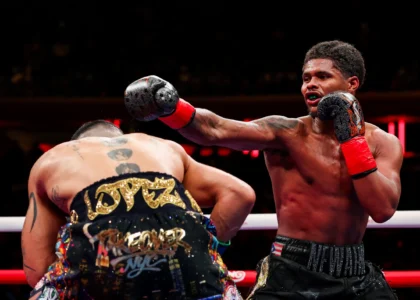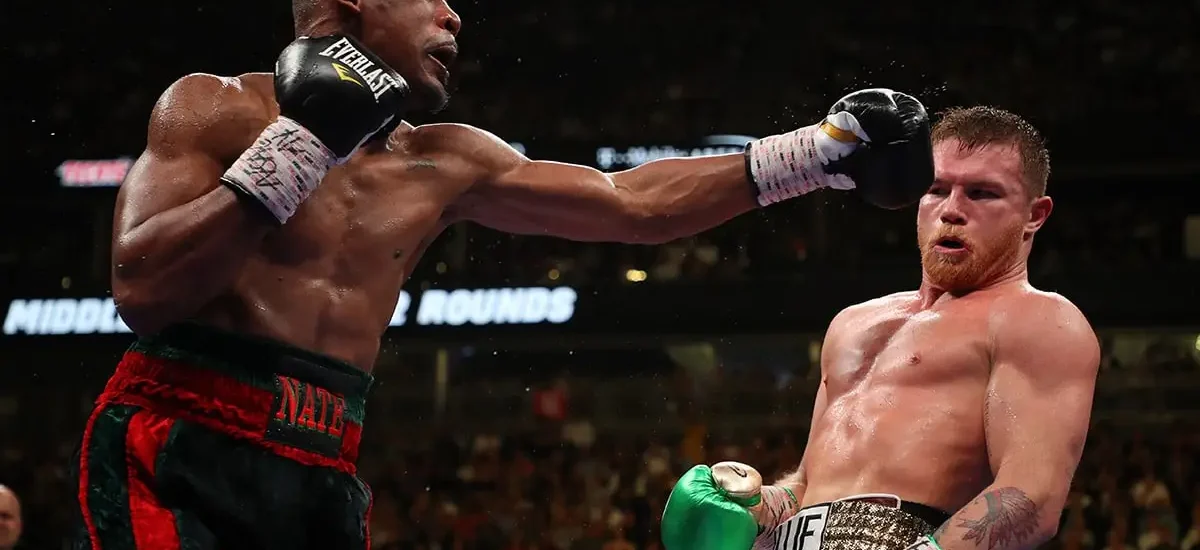
When most people think about boxing, they picture powerful punches, lightning-fast combinations, and dramatic knockouts. While punching is the most visible part of the sport, one of the most important skills happens before a punch even lands: head movement.
Great head movement allows a boxer to avoid damage, create counterattacking opportunities, and control the pace of a fight. It’s not about flashy movements—it’s about making your opponent miss by the smallest possible margin while staying in position to strike back.
What Is Head Movement?
Head movement is the art of repositioning your head to avoid incoming punches without losing balance or offensive readiness. Instead of relying solely on blocking or backing away, a boxer uses subtle movements to make punches miss entirely.
Effective head movement conserves energy, reduces the impact of attacks, and forces opponents to constantly adjust their aim.
Why Head Movement Matters
1It Reduces Damage
The simplest benefit is obvious: punches that don’t land can’t hurt you. By slipping, rolling, or weaving around punches, you minimize the punishment you take over the course of a fight.
It Creates Counterpunching Opportunities
When an opponent misses, they’re often out of position. This creates openings for clean counters before they can reset their defense.
Many elite fighters build their entire style around making opponents miss and immediately making them pay.
It Frustrates Opponents
Missing repeatedly is mentally exhausting. Opponents may become impatient, throw wider punches, overcommit, or abandon their game plan altogether.
A calm boxer with disciplined head movement can force mistakes simply by being difficult to hit.
The Four Fundamental Types of Head Movement
Slip
A slip is a small movement to either side of a straight punch. The key word is small. Beginners often move too far, wasting energy and putting themselves out of position.
A proper slip keeps your feet underneath you and your eyes on your opponent.
Roll Umder
Used primarily against hooks, bobbing and weaving involves bending the knees and moving underneath the punch in a U-shaped path.
The movement comes from the legs—not by bending at the waist.
Pull Back
Sometimes the safest option is simply moving your head just outside the punch’s range.
However, relying exclusively on pulling straight back can become predictable against experienced opponents who know how to follow with longer combinations.
Common Mistakes
Many beginners make head movement less effective by:
- Moving too much instead of just enough.
- Crossing their feet or losing balance.
- Dropping their hands while slipping.
- Looking down instead of keeping their eyes on the opponent.
- Developing predictable movement patterns.
Good defense is economical. Every movement should have a purpose.
Drills to Improve Head Movement
Slip Rope Drill
Stretch a rope across the gym at shoulder height and move underneath it while maintaining your stance.
This drill develops rhythm, posture, and efficient movement.
Shadowboxing with Defense
Instead of focusing only on punches, imagine attacks coming toward you. Slip, weave, roll, and counter during your shadowboxing rounds.
Visualization helps build defensive habits that carry over into sparring.
Double-End Bag
The unpredictable rebound of a double-end bag forces you to react quickly while maintaining proper positioning.
It improves timing, accuracy, and defensive awareness.
Controlled Sparring
Technical sparring allows you to practice head movement against a live opponent without worrying about full-power exchanges.
Quality repetitions are far more valuable than trying to dodge every punch in hard sparring.
Balance Is Everything
Head movement should never compromise your stance. If your feet become too narrow, too wide, or crossed, you’ve traded one problem for another.
A good rule is simple: if you can’t throw an effective punch immediately after moving your head, your movement probably wasn’t efficient.
Head Movement Isn’t Constant Movement
One of the biggest misconceptions is that elite boxers are always moving their heads. In reality, experienced fighters choose their moments carefully.
Excessive movement wastes energy and can make your actions predictable. Smart boxers stay relaxed, use subtle movements, and defend only when necessary.
Sometimes the smallest slip is more effective than a dramatic weave.
Bringing It All Together
Head movement is one piece of a complete defensive system that also includes footwork, guard position, distance management, and timing. No single defensive skill works in isolation.
The best boxers don’t avoid punches through athleticism alone—they avoid them through anticipation, discipline, and countless hours of practice.
If you want to become a more complete boxer, don’t spend every training session chasing harder punches. Spend equal time learning how to make those punches miss. In boxing, the fighter who controls the exchanges is often the one who gets hit the least.
Master your head movement, and you’ll not only become a better defender—you’ll become a more dangerous offensive fighter as well.