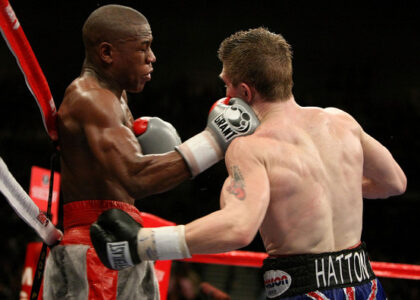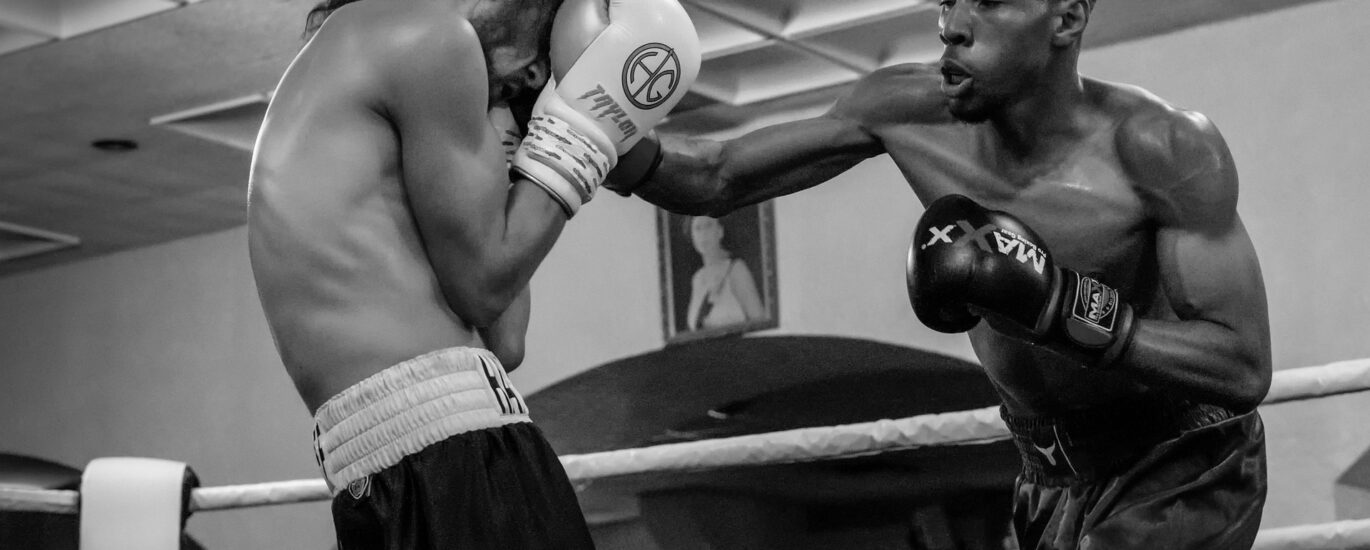
The jab is the first punch every boxer learns, but it’s also one of the hardest to master. A great jab isn’t just fast—it’s accurate, efficient, and versatile. Whether you’re boxing competitively or training for fitness, correcting a few common mistakes can dramatically improve your performance.
Here are ten jab mistakes that could be limiting your progress—and how to fix them.
Telegraphing the Punch
One of the biggest mistakes beginners make is giving away their intentions before they throw the jab. Pulling the hand back, tensing the shoulders, or making unnecessary movements alerts your opponent that a punch is coming.
Fix: Throw the jab directly from your guard. Keep your movements relaxed and efficient so the punch arrives before your opponent has time to react.
Dropping the Rear Hand
Many boxers instinctively lower their rear hand when throwing a jab. This leaves the chin exposed and creates an easy opening for a counter.
Fix: Keep your rear glove glued to your cheek throughout the punch. Your lead hand attacks while your rear hand protects.
Reaching Instead of Stepping
Trying to extend your reach by leaning forward throws you off balance and reduces your power. It also makes it difficult to defend or follow up with combinations.
Fix: Let your feet do the work. Step into range while maintaining your stance, then throw the jab from a balanced position.
Failing to Snap the Jab Back
A jab doesn’t end when it lands. Leaving your hand extended gives your opponent an opportunity to counter and slows down your next punch.
Fix: Think of the jab like a rubber band—it should return to your guard just as quickly as it leaves.
Lifting Your Chin
An exposed chin is one of the easiest targets in boxing. Many fighters unknowingly raise their head while punching.
Fix: Keep your chin tucked behind your lead shoulder and your eyes focused on your opponent.
Throwing Every Jab at Full Power
The jab isn’t always meant to hurt your opponent. Sometimes it’s used to measure distance, disrupt rhythm, or create openings.
Fix: Learn to vary your jab. Mix light range-finding jabs with stiff power jabs and quick flicking jabs to keep your opponent guessing.
Standing Still
A stationary jab is easier to anticipate and counter. Good boxers use movement to make their jab more effective.
Fix: Practice jabbing while moving forward, backward, and laterally. Footwork and the jab should work together.
Ignoring the Body Jab
Many fighters focus exclusively on the head, making their attacks predictable.
Fix: Add body jabs to your arsenal. A well-timed jab to the body can lower your opponent’s guard and create opportunities upstairs.
Forgetting to Breathe
Holding your breath while punching causes unnecessary tension and can lead to early fatigue.
Fix: Exhale sharply with each jab. Relaxation improves both speed and endurance.
Throwing the Same Jab Every Time
Predictability is the enemy of success. If every jab looks the same, your opponent will eventually time it.
Fix: Change your rhythm. Use single jabs, double jabs, feints, step jabs, and delayed jabs to keep your opponent guessing.
Final Thoughts
A great jab is built on solid fundamentals and constant refinement. By eliminating these common mistakes, you’ll improve your accuracy, speed, defense, and overall effectiveness in the ring.
Remember, the best jab isn’t always the hardest one—it’s the one your opponent never sees coming.