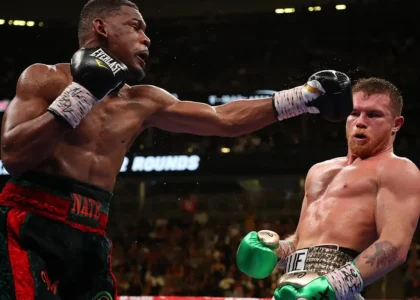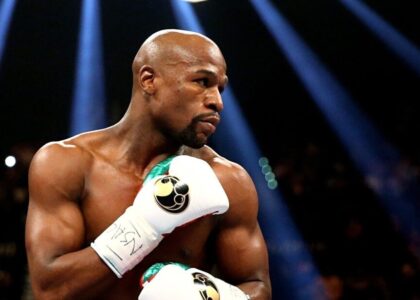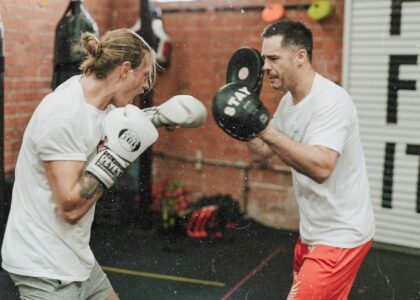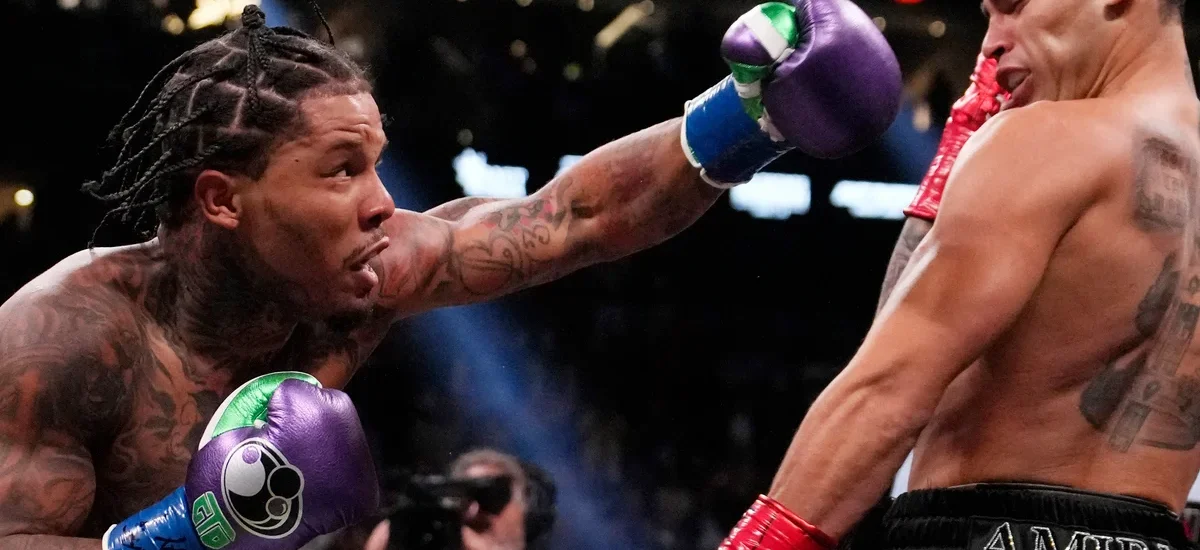
Most boxers spend countless hours perfecting their jab, improving their footwork, and building punching power. However, one of the most effective tools in boxing doesn’t involve landing a punch at all. It’s called a feint.
Feints are a fundamental skill used by elite fighters to create openings, control opponents, and gain a strategic advantage in the ring. Whether you’re a beginner or an experienced boxer, learning how to use feints can dramatically improve your offensive and defensive game.
What Is a Feint in Boxing?
A feint is a deceptive movement designed to make your opponent react. It can be a fake punch, a shoulder twitch, a step forward, a level change, or any movement that causes your opponent to anticipate an attack.
The goal is simple: force a reaction and exploit the opening that follows.
Think of a feint as asking your opponent a question. Their reaction gives you the answer you need to launch your next attack.
Why Feints Are So Effective
Many fighters focus on what they want to do. Great boxers focus on controlling what their opponent does.
Feints help you:
* Create openings for punches
* Disrupt your opponent’s rhythm
* Set up combinations
* Draw out defensive reactions
* Make opponents hesitate
* Conserve energy by landing cleaner shots
A well-timed feint can be more effective than a powerful punch because it allows you to attack when your opponent is vulnerable.
Types of Boxing Feints
Jab Feints
The jab feint is one of the most common and effective techniques in boxing.
By slightly extending your lead hand without fully committing to the punch, you can make your opponent raise their guard or move their head. Once they react, you can attack elsewhere.
Shoulder Feints
A quick shoulder movement can convince your opponent that a punch is coming. This subtle technique is often used by advanced fighters to create hesitation and confusion.
Footwork Feints
Stepping forward, changing angles, or shifting your weight can force your opponent to react defensively. These movements can help you control distance and set up attacks.
Level Change Feints
Dropping your level slightly can make an opponent expect a body shot. When they lower their guard, opportunities often appear upstairs.
How Feints Create Openings
Imagine your opponent consistently blocks your jab. Instead of repeatedly throwing the same punch, use a jab feint.
As soon as they react by raising their gloves, you can:
* Throw a cross down the middle
* Attack the body
* Step to an angle
* Launch a combination
The feint forces a defensive response before the real attack arrives.
Common Mistakes When Using Feints
Overusing Them
Feints lose effectiveness if used too often. The best feints are believable and unpredictable.
Making Them Too Obvious
A feint should resemble a real attack. Exaggerated movements are easier to recognize and ignore.
Failing to Follow Up
A feint without a plan is wasted motion. Always be prepared to capitalize on your opponent’s reaction.
Watching Your Own Movement
Keep your eyes on your opponent. Their reaction is the information you’re trying to gather.
Drills to Improve Your Feints
Shadow Boxing with Feints
Practice adding feints before combinations during shadow boxing. Visualize an opponent reacting to your movements.
Partner Reaction Drill
Work with a partner and focus on drawing reactions using jab feints, shoulder feints, and footwork feints.
Sparring with a Feint Focus
Dedicate rounds to using feints before every attack. This helps build the habit of creating openings instead of forcing punches.
Learn to Think Like a Boxer
Boxing is often described as physical chess. Feints are one of the tools that make the sport as mental as it is physical.
The best fighters don’t simply throw punches—they create opportunities. They make opponents react, hesitate, and expose weaknesses. Feints allow you to control the action, increase your accuracy, and fight more intelligently.
If you want to become a more complete boxer, start incorporating feints into your training. You’ll quickly discover that sometimes the punches you don’t throw can be just as important as the ones you do.