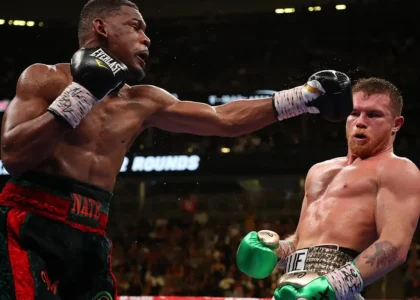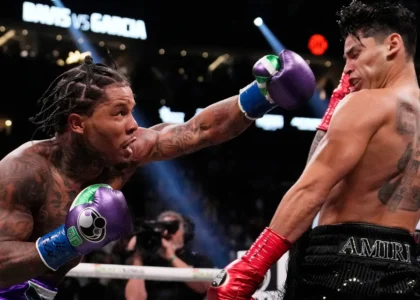
The Philly Shell is one of the most recognizable and debated defensive styles in Boxing. Known for its relaxed posture, shoulder-based defense, and sharp counterpunching, it has produced some of the sport’s most defensively gifted fighters. While it looks casual from the outside, the Philly Shell is a highly technical system built on timing, anticipation, and control of distance.
What Is the Philly Shell?
The Philly Shell (also called the “shoulder roll”) is a defensive stance where a fighter turns slightly sideways, keeping their lead shoulder raised to protect the chin while the rear hand stays low near the torso and the lead hand hovers for quick reactions or parries.
Instead of blocking punches directly with the gloves, fighters using the Philly Shell rely on:
- Shoulder rolls to deflect punches
- Subtle head movement and slips
- Catching or parrying shots with minimal motion
- Immediate counterattacks after making an opponent miss
It’s a style that prioritizes efficiency—taking the least amount of movement to avoid damage while staying ready to counter instantly.
The Origins and Evolution
While the name “Philly Shell” comes from Philadelphia’s boxing scene, the style itself evolved over decades rather than being invented by a single fighter. It became widely recognized through fighters like:
- Jersey Joe Walcott (an early influence on shoulder-based defense)
- Floyd Mayweather Jr. (modern master of the style)
- James Toney (compact, pressure-resistant execution of shell defense)
Each fighter adapted the system differently, but all shared the same core idea: make your opponent miss by inches, not feet.
How the Philly Shell Works in Practice
At its core, the Philly Shell is about inviting attacks and making opponents pay for them.
A typical sequence looks like this:
Opponent throws a jab or cross
Fighter rolls the shoulder or leans just outside the punch line
Punch glances off the shoulder or misses entirely
Immediate counter: right hand, hook, or uppercut
The key is not just defense—it’s the transition from defense to offense in one fluid motion.
Strengths of the Philly Shell
When mastered, the Philly Shell offers several advantages:
Energy efficiency
Fighters conserve energy by avoiding constant high-guard blocking.
Elite counterpunching opportunities
Every missed punch becomes a chance to score.
Reduced damage absorption
Proper shoulder positioning can deflect heavy shots cleanly.
Psychological pressure
Opponents often become frustrated when clean punches keep missing or glancing off.
Weaknesses and Risks
The Philly Shell is not beginner-friendly, and it has clear vulnerabilities:
Requires elite timing
A fraction of a second late results in clean hits.
Body exposure
The lowered guard can leave the ribs open if movement is off.
Less effective under pressure flurries
Aggressive volume punchers can overwhelm the shell if the defender is stuck in place.
High skill ceiling
It takes years of sparring to use effectively without getting hit.
Who Should Use the Philly Shell?
This style is best suited for:
- Experienced boxers with strong defensive fundamentals
- Fighters with excellent reflexes and timing
- Counterpunchers who prefer reading opponents rather than initiating exchanges
It is not recommended for beginners still learning basic guard, footwork, and distance control.
Final Thoughts
The Philly Shell is often misunderstood as a “hands-down” defensive gimmick, but in reality, it is one of the most sophisticated systems in modern boxing. When executed correctly, it turns defense into offense seamlessly and forces opponents into mistakes they don’t realize they’re making.
However, it demands discipline, timing, and ring intelligence. In the wrong hands, it leads to unnecessary punishment. In the right hands, it becomes one of the most frustrating styles to face in all of combat sports.