When people think about boxing, they often focus on powerful punches, lightning-fast combinations, and dramatic knockouts. While punching power is important, experienced coaches know that the true foundation of boxing success begins with footwork. The old saying, “boxing is all in the feet,” exists for a reason. Great footwork allows a boxer to control distance, create angles, avoid punches, and set up offensive opportunities.
What Is Boxing Footwork?
Boxing footwork refers to the movement patterns a fighter uses to maintain balance, position themselves strategically, and move efficiently around the ring. Proper footwork enables a boxer to move forward, backward, and laterally while staying in position to attack or defend at any moment.
Unlike running or jumping, boxing footwork is controlled, deliberate, and balanced. Every step has a purpose. A boxer who moves efficiently conserves energy while creating opportunities to land punches and avoid incoming attacks.
Why Footwork Matters
Creates Better Punching Opportunities
Power starts from the ground up. Strong foot positioning allows fighters to transfer force from their legs through their hips and into their punches. Even the strongest boxer will struggle to generate power if their feet are out of position.
Good footwork also helps boxers close distance quickly and create angles that make punches harder to see and defend against.
Improves Defense
One of the best ways to avoid getting hit is simply not being where the punch lands. Effective footwork allows fighters to move out of danger without relying solely on blocking or slipping punches.
By maintaining proper distance and positioning, boxers can make opponents miss while remaining ready to counterattack.
Controls the Ring
The boxer with superior footwork often controls the pace and location of the fight. They decide when to engage, when to retreat, and where exchanges take place.
Ring generalship—the ability to control the action—is heavily dependent on footwork skills.
Conserves Energy
Poor movement wastes energy and can lead to fatigue. Efficient footwork allows boxers to move smoothly around the ring while maintaining balance and minimizing unnecessary effort.
Over the course of several rounds, this energy conservation can make a significant difference in performance.
Key Footwork Principles Every Boxer Should Learn
Stay Balanced
Balance is the cornerstone of effective footwork. A boxer should always be in a position to punch, defend, or move. Crossing the feet or taking large, uncontrolled steps often leads to poor balance and vulnerability.
Move the Lead Foot First
When moving forward, step with the lead foot first. When moving backward, move the rear foot first. This keeps the stance intact and maintains proper balance.
Keep Your Feet Under You
Avoid standing too tall or spreading your feet too far apart. A strong boxing stance allows quick movement in any direction while maintaining stability.
Stay Light on Your Feet
Good boxers move smoothly and efficiently. Remaining light on the balls of the feet allows for faster reactions and quicker changes in direction.
Footwork Drills That Improve Boxing Performance
Jump Rope
Jumping rope develops rhythm, coordination, endurance, and agility. It remains one of the most effective tools for improving footwork.
Ladder Drills
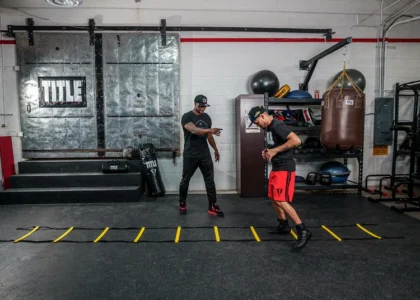
Agility ladders help boxers improve speed, coordination, and foot placement while developing athletic movement patterns.
Circle Movement Drills
Practicing movement around a heavy bag or partner teaches fighters how to maintain proper distance while creating angles.
Slip Rope Drill
A slip rope stretched across the gym helps boxers combine head movement with footwork. Fighters learn to move under the rope while maintaining proper stance and balance.
Shadowboxing with Movement
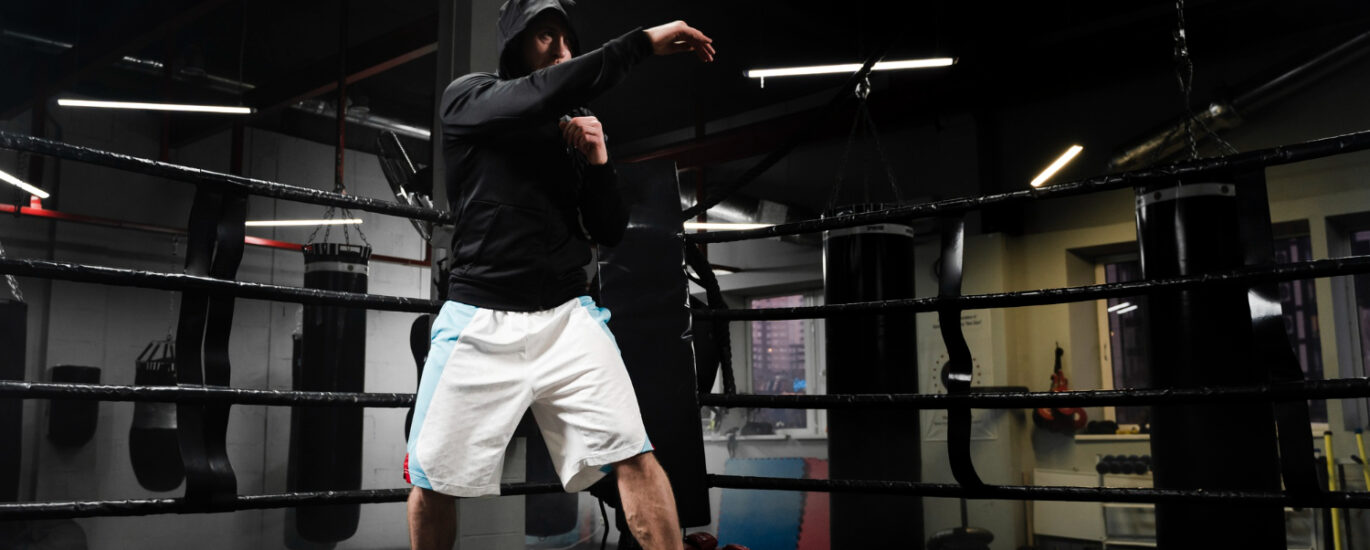
Shadowboxing allows fighters to practice moving in all directions while visualizing an opponent. Focus on smooth movement, balance, and maintaining proper form throughout each round.
Common Footwork Mistakes
Many beginners make the mistake of crossing their feet when moving laterally. Others take steps that are too large, causing them to lose balance and become vulnerable to counterpunches.
Another common mistake is standing flat-footed. This limits mobility and makes it harder to react quickly during exchanges.
Working with an experienced boxing coach can help identify and correct these issues before they become bad habits.
The Bottom Line
Punching power and speed may get the attention, but footwork is what makes everything else possible. Great footwork improves offense, strengthens defense, conserves energy, and helps fighters control the ring.
Whether you’re stepping into a boxing gym for the first time or preparing for competition, investing time in footwork drills will pay dividends in every aspect of your boxing development. Remember: your hands may win exchanges, but your feet often win fights.