In boxing, power and speed get the headlines—but the subtle art of head movement wins fights. A fighter who can slip punches, duck hooks, and weave under attacks not only avoids damage but creates openings for devastating counters. Head movement is about defense, timing, and strategy—and it’s a skill you can train like any punch or combination. Here’s how to sharpen your movement and elevate your ring IQ.
Why Head Movement Matters
Good head movement:
- Reduces the risk of getting hit and cuts down damage over time.
- Keeps you unpredictable and elusive.
- Creates counter-punching opportunities.
- Enhances overall defensive awareness and balance.
It’s not just about bending your head randomly—it’s about controlled, deliberate motion that complements your offense.
1. Slipping: Dodge and Counter
Slipping is a foundational move where you slightly tilt or move your head to avoid a straight punch:
- How to do it: Bend your knees slightly, shift your head to the left or right while keeping your chin tucked and hands up.
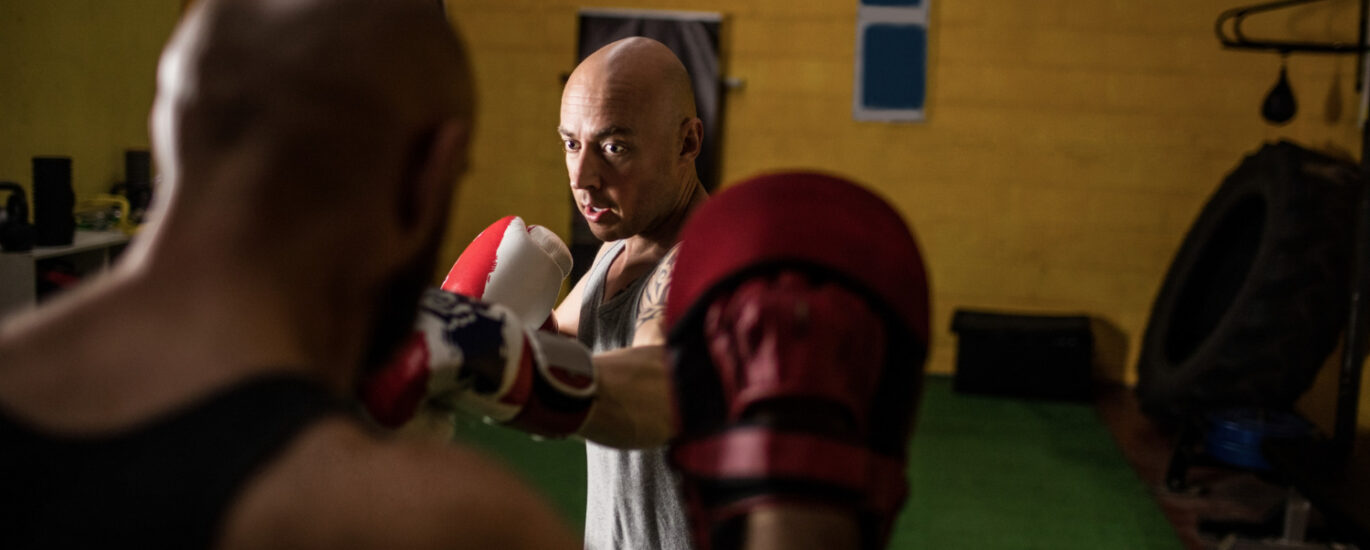
- Drill: Partner throws slow, controlled jabs while you slip left and right, then immediately return a jab or cross.
Slipping teaches timing, precision, and sets you up for counter attacks.
2. Bobbing and Weaving: Flow Like Water
Bobbing and weaving allows you to evade hooks and looping punches:
- How to do it: Drop your weight by bending your knees, move your head in a “U” shape under the punch, and return to a balanced stance.
- Drill: Heavy bag hooks—imagine the bag is swinging like a punch, and weave under it continuously for 2–3 minutes.
This drill develops fluidity, core strength, and defensive reflexes.
3. Rolling: Smooth Defense Against Combinations
Rolling (or “rolling with punches”) softens the impact and helps you maintain rhythm:
- How to do it: Rotate your shoulders and upper body along the path of the punch while keeping your eyes on the opponent.
- Drill: Partner throws alternating hooks; practice rolling under each one and stepping into a counter punch.
Rolling teaches subtle evasive techniques that save energy and create openings.
4. Shadowboxing with Head Movement
Incorporate head movement into shadowboxing to integrate it with offense:
- Slip imaginary jabs while throwing counters.
- Weave under hooks while circling your opponent.
- Focus on staying balanced and light on your feet.
This builds muscle memory so your head movement becomes second nature in a fight.
5. Advanced Tools: Double-End Bag & Slip Rope
- Double-End Bag: Its unpredictable motion forces real-time slips, ducks, and counters.
- Slip Rope Drill: Set a rope at chin height and move under it while advancing, retreating, or pivoting.
Both drills sharpen timing, coordination, and defensive instincts.