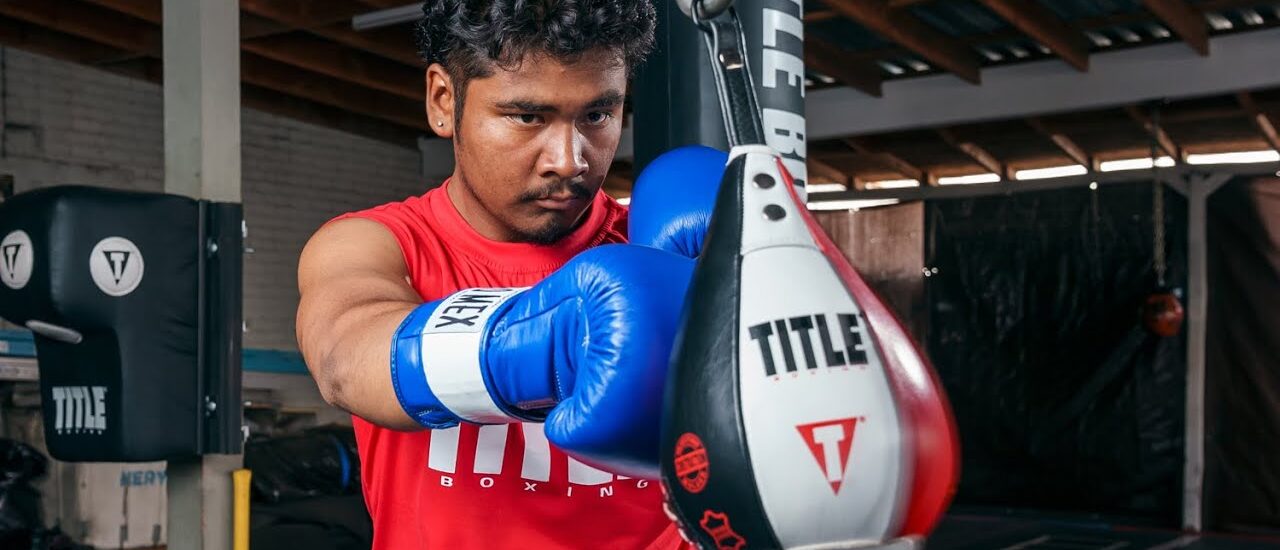
When most people think about boxing training, they picture heavy bags, speed bags, and mitt work. But tucked away in almost every serious boxing gym is a tool that separates average fighters from skilled ones: the double-end bag. It’s small, fast, and unforgiving — and that’s exactly why it works.
The double-end bag isn’t about brute strength. It’s about precision, control, and awareness. If you want to sharpen your boxing IQ while improving your physical conditioning, this tool deserves a permanent place in your training routine.
What Makes the Double-End Bag Different
Unlike the heavy bag, which absorbs punches, the double-end bag reacts. It’s attached to the floor and ceiling with elastic cords, allowing it to snap back at unpredictable angles. Every punch you throw comes with immediate feedback. Land cleanly, and the bag moves smoothly. Miss, overreach, or drop your hands, and the bag lets you know — fast.
This reactive movement mimics the rhythm of a real opponent more closely than almost any other piece of equipment.
Developing Elite Hand-Eye Coordination
The constant motion of the double-end bag forces your eyes to stay locked in. You’re not just throwing punches; you’re tracking, calculating distance, and making adjustments in real time. Over weeks of consistent use, this dramatically improves your accuracy and punch placement.
Fighters who spend time on the double-end bag often notice they land cleaner shots in sparring, with less wasted movement.
Timing, Rhythm, and Flow
Boxing is often described as a dance, and the double-end bag teaches that dance better than most tools. The bag moves in a rhythm — and once you find it, you can begin to control it. Punching in sync, changing tempos, and setting traps all become natural.
This ability to manage rhythm translates directly to fighting real opponents, where timing often matters more than power.
A Built-In Defense Coach
One of the double-end bag’s greatest strengths is how it reinforces good defensive habits. Every punch should be followed by head movement, a step, or a guard adjustment. If not, the bag snaps back and punishes lazy defense instantly.
This creates muscle memory. Over time, slipping, rolling, and resetting your stance become automatic — exactly what you want when fatigue sets in during later rounds.
Footwork and Distance Control
Because the bag doesn’t stay in one place, you can’t either. Working the double-end bag encourages light footwork, subtle pivots, and proper range control. You learn how far you need to be to land a punch and how quickly you need to move to stay safe.
This awareness of distance is one of the most overlooked but critical skills in boxing.
Conditioning Without Overuse Injuries
The double-end bag offers an intense cardiovascular workout without the joint strain that can come from heavy bag sessions. You can work longer rounds, focus on volume punching, and improve endurance while giving your hands and shoulders a break.
It’s especially useful on days when you want high-quality reps without beating up your body.
Common Beginner Mistakes
Many beginners get frustrated with the double-end bag early on — and that’s normal. Some common mistakes include:
Trying to punch too hard instead of staying relaxed
Standing flat-footed and not moving after punches
Dropping hands while admiring shots
Losing patience and abandoning the bag too quickly
The key is to slow down, breathe, and focus on consistency rather than perfection.
How to Structure a Double-End Bag Workout
A simple session might look like this:
- 3 rounds focusing on the jab and head movement
- 3 rounds of basic combinations at moderate speed
- 2 rounds emphasizing footwork and angles
- 1 burnout round for conditioning
As your skill improves, you can add feints, counters, and defensive slips between punches.
Why Every Boxer Should Use It
The double-end bag doesn’t care how strong you are or how hard you hit. It rewards discipline, patience, and technique. That’s why beginners struggle with it — and why elite fighters rely on it.
If you commit to the double-end bag, you’ll develop sharper reactions, smoother movement, and smarter boxing overall. It’s not the flashiest tool in the gym, but it might be the most valuable.
Conclusion
The double-end bag is a teacher. It exposes weaknesses, builds confidence, and forces growth. Stick with it long enough, and you’ll notice a difference not just in how you train, but in how you fight.