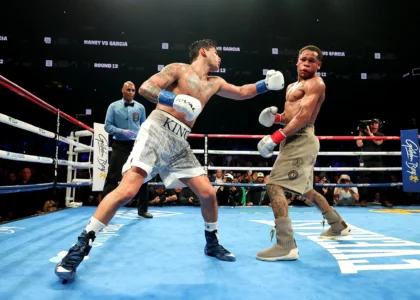
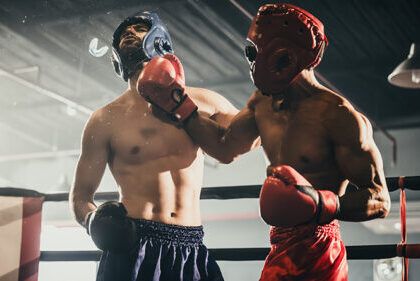
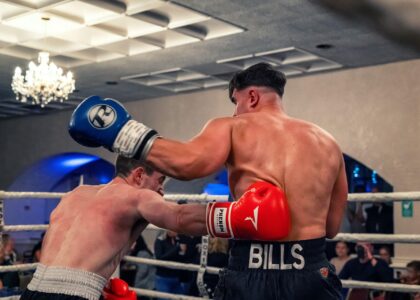
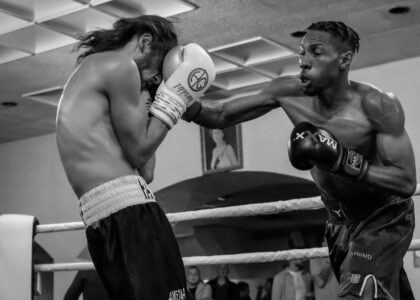
In boxing, power and aggression often steal the spotlight. Knockouts, flurries, and forward pressure dominate highlight reels. But beneath the noise lies one of the sport’s most sophisticated and devastating skills: counterpunching.
Counterpunching isn’t just about hitting back—it’s about timing, intelligence, and control. It turns an opponent’s offense into your opportunity, and when executed well, it can completely dismantle even the most aggressive fighter.
What Is Counterpunching?
Counterpunching is the ability to strike an opponent as they attack or immediately after they miss. Instead of leading the action, a counterpuncher invites mistakes and capitalizes on them.
This style relies on:
-
Sharp reflexes
-
Precise timing
-
Defensive awareness
-
Composure under pressure
A great counterpunch lands when the opponent is off-balance, committed to a punch, or exposed—making the impact both physically and psychologically damaging.
Why Counterpunching Is So Effective
When a boxer throws a punch, they create openings. Their guard shifts, their weight transfers, and for a split second, they’re vulnerable. Counterpunchers live for that moment.
Well-timed counters:
-
Interrupt an opponent’s rhythm
-
Discourage reckless aggression
-
Drain confidence and energy
-
Score clean, visible points
Judges often favor clean, accurate shots over wild volume, which makes counterpunching especially valuable in high-level competition.
Key Types of Counterpunches
Some of the most common and effective counters include:
-
Slip and Cross: Slipping outside a jab and firing a straight cross down the middle.
-
Pull Counter: Leaning back to make a punch fall short, then snapping a counter right hand.
-
Catch and Shoot: Blocking a punch and immediately returning fire.
-
Check Hook: Catching an opponent as they rush in, often while pivoting away.
Each counter relies on anticipation as much as reaction.
Famous Counterpunchers
Boxing history is filled with elite counterpunchers who mastered this craft:
-
Floyd Mayweather Jr. – Defensive genius with pinpoint accuracy
-
Juan Manuel Márquez – Timing and combinations off counters
-
Pernell Whitaker – Elusive movement paired with sharp returns
-
Canelo Álvarez – Modern master of body and head counters
These fighters proved that you don’t need to throw the first punch to control a fight.
The Mental Side of Counterpunching
Counterpunching demands patience. It requires a boxer to stay calm while punches fly, to trust their defense, and to resist the urge to brawl.
Emotionally undisciplined fighters struggle against good counterpunchers. The more they chase, the more mistakes they make—falling deeper into the counterpuncher’s trap.
Developing Counterpunching Skills
Counterpunching can be trained, but it takes time. Fighters must work on:
-
Defensive fundamentals (slipping, rolling, blocking)
-
Footwork and distance control
-
Sparring with purpose, not ego
-
Studying opponents’ habits and patterns
It’s a style built on repetition, awareness, and confidence.
Conclusion
Counterpunching is boxing at its most cerebral. It’s the art of doing more by doing less—of letting the fight come to you and making every shot count.
In a sport defined by controlled violence, counterpunching stands as proof that intelligence, timing, and patience can be just as powerful as raw aggression. When mastered, it doesn’t just win fights—it makes them look effortless.